

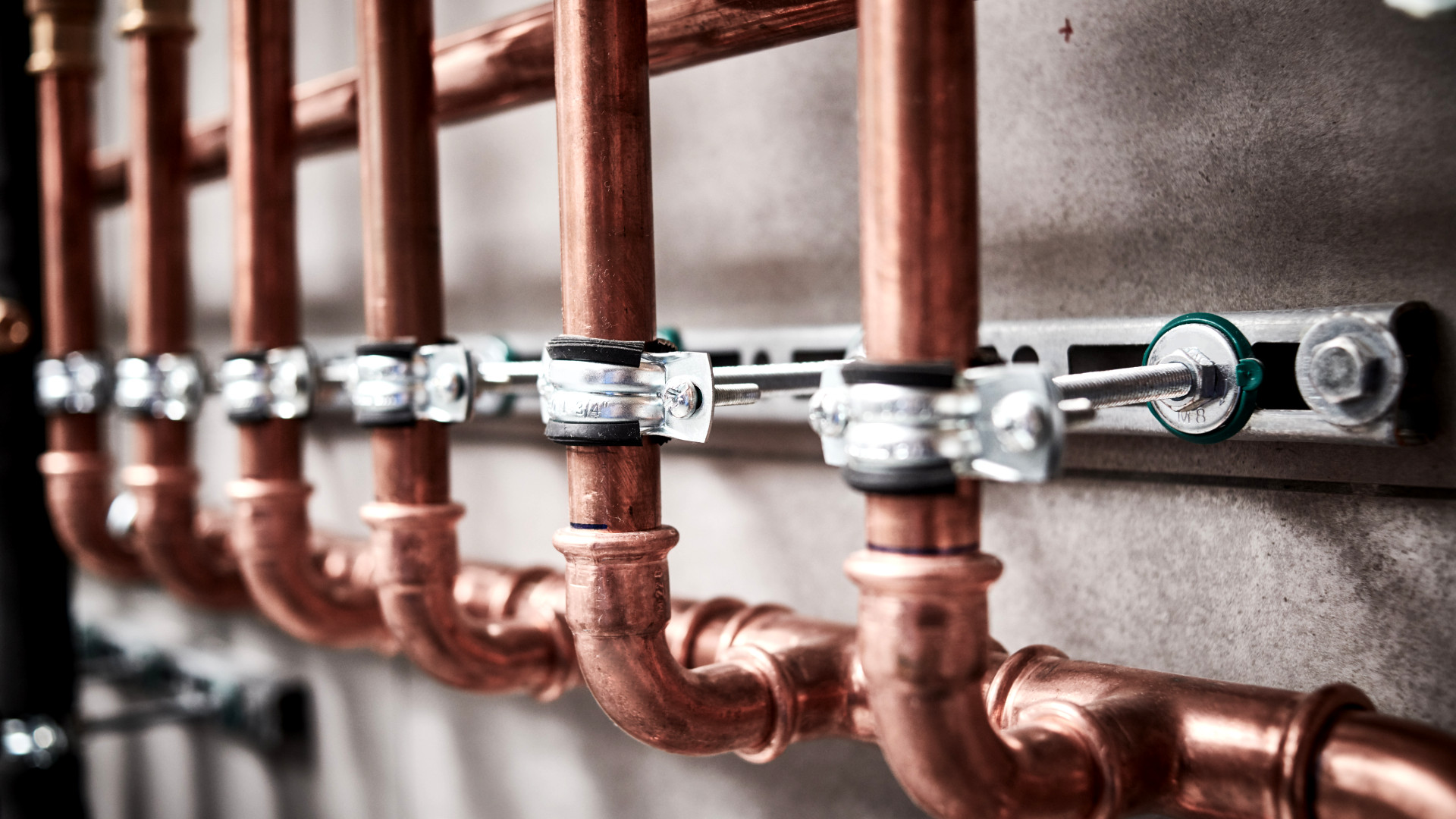
Water leakage is a critical issue affecting residential and commercial properties across the UK, with severe financial, environmental and operational consequences. The rising cost of water bills, paired with the prevalence of insurance claims for water damage, highlights the urgency of finding innovative solutions to detect and manage leaks more effectively. Gareth Mitchell, UK partner manager at Heliot Europe, and Andy Welch, business development manager at LeakSafe, discuss how the integration of sub-gigahertz IoT connectivity technology is emerging as a pivotal tool in improving leak detection and prevention, and transforming traditional water management processes.
Over one trillion litres of water were lost in the UK last year due to leaks; about 51 litres of water is wasted per person, per day, in England and Wales, according to Ofwat. Much of this is attributed to ageing infrastructure, where corroded pipes, weather-related damage, and gradual structural shifts contribute to undetected leaks. This has two significant impacts: property owners face costly repairs and escalating insurance premiums, while the environment at large suffers from wasted resources.
Identifying leaks before they cause serious damage is difficult, especially in older buildings where leaks may develop silently under floors or behind walls. Traditional methods of detection – visual inspections or waiting for signs of water damage – are reactive, and often come too late. By the time a leak becomes noticeable, issues like damp, weakened structures, and extensive water damage have already set in, resulting in costly remediation efforts.
The age and condition of some of the UK’s infrastructure only compounds this issue. Many properties were built decades ago, making them particularly vulnerable to leaks that go undetected for extended periods. For property managers and councils responsible for large portfolios of ageing buildings, the need for more efficient and accurate leak detection has never been more pressing.
Technology solution
Instead of relying on infrequent manual inspections or reacting to a burst pipe, sub-gigahertz IoT connectivity technology offers a solution to this problem. By deploying sensors that monitor moisture levels, flow rates, and pipe integrity, leaks can be pinpointed at their earliest stages – and long before they become visible to the naked eye. These sensors can be installed in new and existing properties, ensuring broad applicability across residential, commercial, and public sector buildings.
Low-power wide-area network (LPWAN) connectivity, operating below 1GHz, provides a critical advantage over traditional cellular and Wi-Fi networks in this space. These sub-gigahertz technologies – including non-cellular Sigfox and LoRaWAN, and also cellular NB-IoT – allow for long-range communication capabilities, deep penetration of building materials like steel and concrete, and reliable transmission from underground installations. What is more, due to the lower power consumption of these devices compared to alternatives, they can last much longer in the field, which is crucial for devices which are buried underground or under floorboards, which require significant maintenance work to check and replace.
Beyond early detection, these systems can also automate immediate responses. For instance, when a leak is detected, sensors can activate an electro-mechanical valve to physically shut off the water supply instantly, preventing further damage. This process can even be done remotely using an app, giving users precise control over water flow within their property. By integrating IoT and LPWAN technology, these systems offer a proactive, hands-free solution to a problem that has long relied on reactive methods.
Landlords and insurers
The shift from manual inspection to automated monitoring brings significant benefits for property managers and insurers alike. IoT-enabled sensors can continuously monitor water systems, providing real time alerts to enable swift intervention before a minor problem escalates into a major one. This reduces the need for routine physical inspections and allows facilities teams to manage multiple properties remotely, improving efficiency.
In the insurance sector, advanced leak detection technologies are increasingly recognised for their ability to prevent leaks and reduce claims. Insurers in the UK today currently pay out an estimated £1.8 million per day for water related claims. By installing or retrofitting these leak detection systems in both commercial and residential properties, insurers can reduce the frequency and severity of claims, leading to lower premiums for property owners. This creates a mutually beneficial situation, where insurers minimise losses while property owners gain protection and peace of mind.
Environmental implications
Beyond the financial and operational benefits, sub-gigahertz IoT connectivity has an important role to play in addressing wider environmental concerns around water wastage too. Water conservation is becoming an urgent priority in the UK, especially in the context of climate change. Current projections suggest that by 2050, the UK will need an additional five billion litres per day to meet demand. It is therefore no surprise that the Environment Agency has identified smart meters as the standard in this field in the future, on the road to ensuring long-term sustainability.
Consider, for example, a historic building in central London. Due to its age, the building’s plumbing system has developed a slow, undetected leak in a pipe running beneath the floorboards of a tenant’s flat. Without IoT-enabled sensors, this leak would likely remain hidden for months, only becoming apparent once extensive water damage had compromised the structural integrity of the floor. By this point, the cost of repairs and insurance claims would be substantial, and a significant amount of water would have been lost in the process.
However, with IoT sensors installed, the system detects abnormal moisture levels almost immediately, triggering an alert to managers. The issue is then swiftly addressed before the leak has a chance to escalate, saving both the property and water resources. This proactive approach highlights how this technology can transform leak detection, particularly in older properties that present significant maintenance challenges. Moreover, in urban areas, where infrastructure is more complex and difficult to manage, these technologies can pinpoint issues in specific locations – whether an old listed building in London, or a newly constructed development in Manchester.
Such precision allows for more effective conservation efforts, helping to protect what is fast becoming a scarce resource.
Sub-gigahertz IoT connectivity offers a modernising approach to addressing water leakage issues in the UK. By embracing this technology, property managers and insurers can mitigate risks, reduce costs, and contribute to the conservation of the UK’s water resources. As the country continues to modernise its infrastructure, these solutions will play a vital role in shaping the future of water management and enhancing the resilience of buildings nationwide.

