

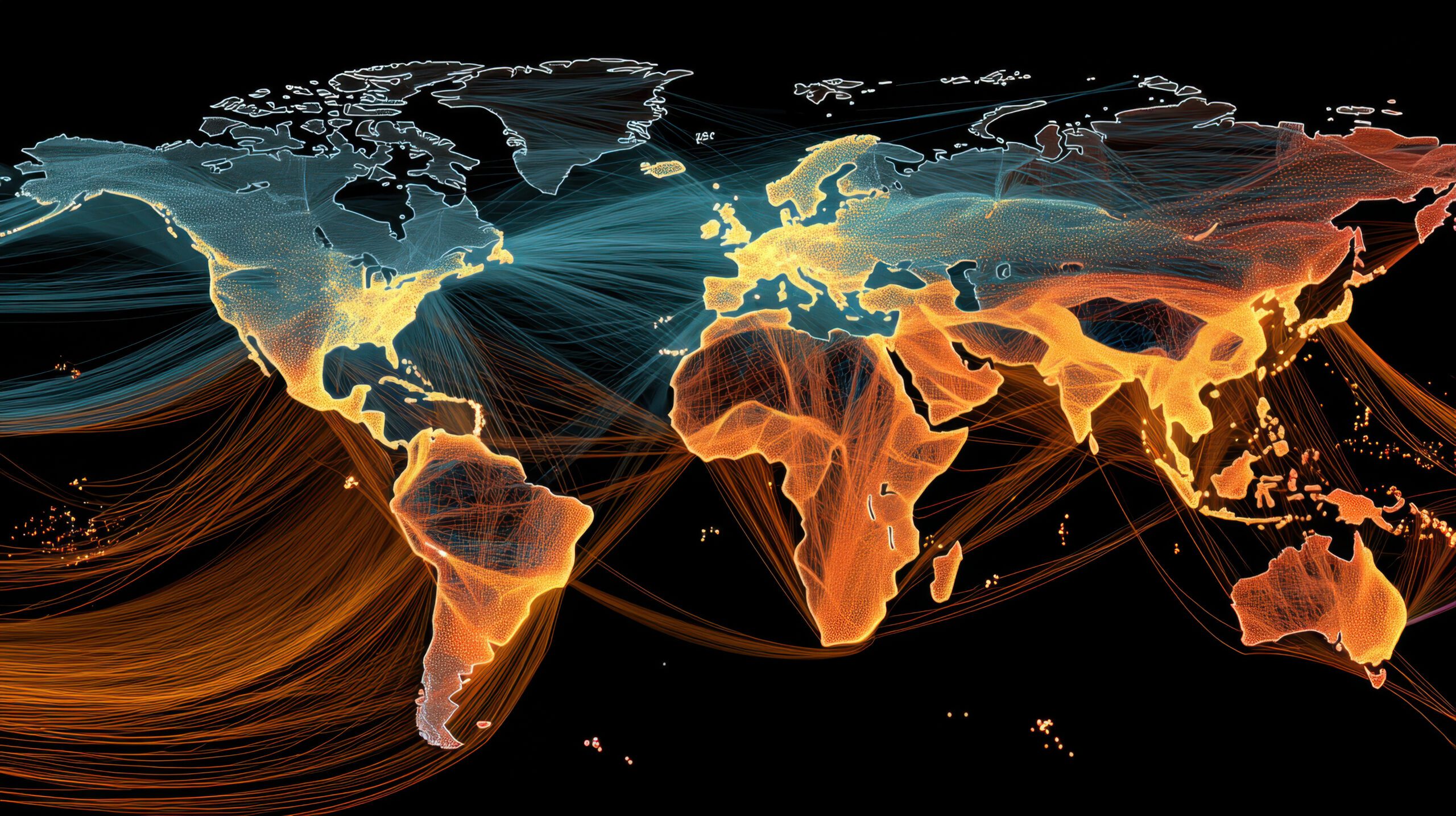
New ITU recommendations and FCC regulations show how submarine cables are being recast as critical infrastructure. While the ITU targets deployment and repair bottlenecks, the FCC is tightening oversight of ownership, operations and security.
In sum – what to know:
ITU targets delays – The ITU’s new submarine cable resilience report identifies permitting and regulatory coordination as major obstacles to faster cable deployment and repair, calling for stronger cooperation between governments and operators.
FCC tightens oversight – The US regulator has introduced stricter licensing requirements for submarine cable infrastructure, including landing-station equipment, alongside enhanced scrutiny of ownership, supply chains and operational control.
Critical infra focus – The developments reflect a broader shift in policy thinking, treating submarine cables less as telecom assets and more as strategic infrastructure underpinning cloud computing, AI services and global connectivity.
A couple of items to consider in the global submarine cable industry, even as the sector continues to build more cables and more routes in pursuit of capacity and diversity as global data traffic flows spiral in service of the ‘AI economy’ – per the construction, cross-connection, and dissemination of data from big hyperscale AI factories. But there is the geopolitical angle: these traffic flows are being contested and disrupted, and governments are concerned about the ownership, operation, and protection of the fiber cables that connect it all.
The ITU and FCC are approaching the same issue from different ends. The ITU is concerned with how cables are deployed and maintained in service. The FCC is concerned with who owns and operates them – and who can be trusted to participate in US-connected systems. As if all the messaging by telcos about network sovereignty and critical infrastructure is not landing, they say the same: that telecoms infrastructure is critical infrastructure, and should be more resilient. Their announcements deal with the nitty-gritty of subsea resilience and security.
In its new report, the International Advisory Body on Submarine Cable Resilience (IAB), established by the ITU and International Cable Protection Committee (ICPC) in 2024, presents a summary of the risks – basically physical disruptions caused by natural disasters and human accidents, but also increasingly by cyber threats and tampering. These are most keenly felt where there is high concentration of infrastructure, notably in smaller island states and underserved regions, and exacerbated by slow bureaucratic international cooperation. So there is a clear digital-divide agenda here, too.
It lists all the bottlenecks for route deployment and maintenance, plus for governments to “strengthen coordination” with the telecoms sector to streamline regulation and permitting. Trans-oceanic cable takes 30 months to deploy, typically, with permitting representing “the longest and most critical phase” of the process, frequently delayed by “restrictive policies, protectionist measures, fragmented jurisdictional requirements, and delays in inter-agency coordination”. There are also sections about delays with planning, manufacturing, transit, and installation.
Better monitoring is recommended; so are more routes, as discussed. Doreen Bogdan-Martin, secretary general at the ITU, called the report a “practical roadmap to keep undersea networks reliable”. Sandra Maximiano, co-chair of the IAB, said: “When diverse stakeholders come together with a shared purpose, global challenges can be transformed… Our task is clear: to turn cooperation into lasting resilience for the infrastructure that keeps the world connected.” The ITU report also acknowledges growing concerns about cyber threats and deliberate disruption.
Meanwhile, the FCC has overhauled its submarine cable licensing framework, introducing stricter oversight of the infrastructure and companies involved in cable systems that connect to the US. One of the most significant changes concerns submarine line terminal equipment (SLTE), located at cable landing stations to convert optical signals travelling through undersea fibre into data traffic that can be carried over terrestrial networks – and “probably the most vulnerable part of the cable system”, said Brendan Carr, chair of the FCC.
Previously, SLTE operators were not subject to the same licensing requirements as cable owners. The FCC now argues that these systems are critical parts of the chain and should be subject to direct regulatory oversight. It is also strengthening national security reviews of submarine cable projects – for greater scrutiny of ownership structures, supply chains, and operational control. The changes continue a broader US policy trend of limiting the involvement of entities considered linked to foreign adversaries, particularly China, in critical comms infrastructure.
At the same time, the FCC is seeking to streamline approvals for operators that meet its security standards, creating a trusted pathway for future investment. The likes of Facebook parent Meta and Google parent Alphabet, both big submarine infrastructure builders, will benefit.
Carr stated: “Undersea cables are the unsung heroes of the global internet – carrying up to 99 percent of global internet traffic. And it is American providers that are leading the world in this segment of the market. American companies dominate the laying, owning, and operating of these cables, as well as the provisioning of the equipment that makes them run… Accelerating construction will mean faster and more resilient internet services… especially as AI fuels ever greater connectivity demands… It will also enable our businesses to sell additional services abroad.
He went on: “Submarine cables face greater threats than ever: bad actors seek access to the sensitive data and communications that run on these cables, and threats from cyber or physical disruptions only grow. [These] rules… strike the right balance. We presumptively exempt cable applications from extensive and time-consuming reviews, but only if such applicants can certify to stringent security standards and agree to ongoing oversight and monitoring. The message is simple: adopt strong national security standards, and get a glide path to application approval.”

