

AT&T names CBRS suppliers; Federated Wireless and partners planning initial commercial deployments
Conversations and news out of Mobile World Congress Americas last week in Los Angeles served as a reminder that, despite an ongoing lag at the regulatory level, the telecom ecosystem is ready to get to work on commercializing services in the 3.5 GHz Citizens Broadband Radio Service band. With initial commercial deployments articulated, a dedicated working group within the CBRS Alliance established and carriers signaling significant interest, here’s a look at some of the most recent movements around CBRS in the U.S.
For operators, CBRS means more spectrum to support more capacity, which is imperative given market dynamics. For neutral hosts, sharing spectrum presents a number of opportunities, including providing carriers with another data offload mechanism to standing up private LTE networks for enterprise or industrial use; these enterprises and industries could also potentially get access to their own spectrum and take control of their connectivity in a fundamentally new way. CBRS even offers non-carriers–think cable companies–an opportunity to continue making inroads in the wireless space.
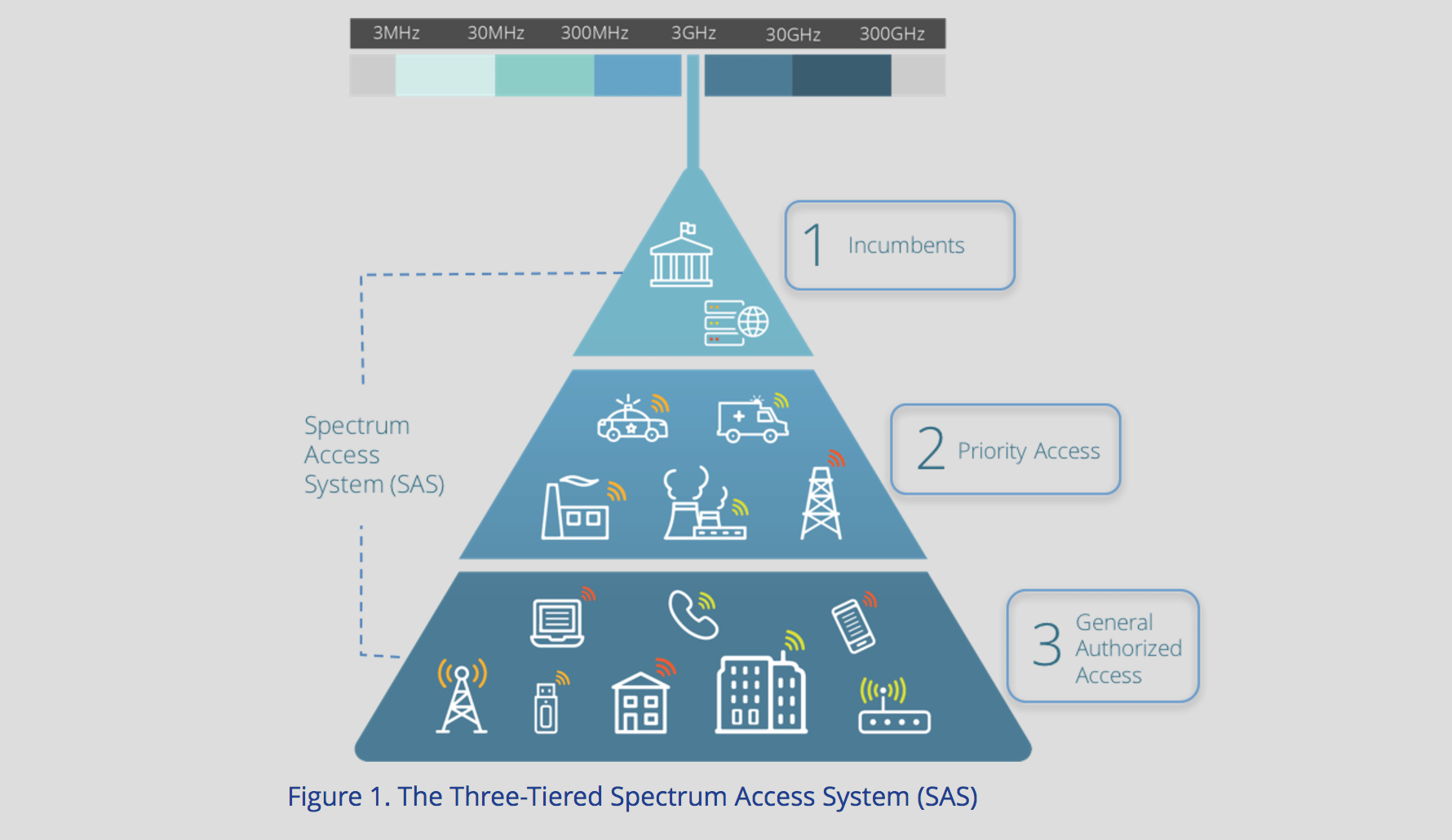
The U.S. Federal Communications Commission is currently taking proposals for initial commercial deployments in the band, but is also taking its time on finalizing rules that govern licensure of priority access licenses, the middle tier contemplated in the three-tier access system.
“For us it’s all about focusing on the venue and being sure the venue has all the connectivity it needs,” Boingo Wireless Chief Technology Officer Derek Peterson told RCR Wireless News during an interview at the company’s headquarters near the University of California Los Angeles. “CBRS gives us another way to do that. It allows us to support the carriers…and support all the the different things the venues might want to do.”

