

From the newsletter (sign-up if you want it sooner): Vodafone finds itself centre stage again as telco consolidation gathers pace, while industry efforts to open up RAN software and scale private 5G reveal how long structural change can take.
Stuff from today, as I melt in the heat. UK-based Vodafone is at the heart of the action again as the telco market consolidates – to paraphrase one analyst, on news that Emirati telco e& has agreed to sell its 16% stake in Vodafone to French telco tycoon Xavier Niel for $5.9bn. Analysts said the move is a vote of confidence in Vodafone’s position and prospects, and also as a harbinger of cost cutting in the name of sharper focus – which is the motivation behind strategies at e&, here, and Vodafone, more generally. Note, Niel has form, with cuts variously at other firms in his bursting investment portfolios, which includes Iliad, Salt, Eir, Monaco Telecom, Tele2, and Millicom.
Meanwhile, Kelly has an update on the Linux-based open-source CU/DU (OCUDU) project to plug one of open RAN’s gaps. Because while open RAN has opened interfaces in the network, the underlying software stack is largely closed. The OCUDU gang – with Qualcomm, Ericsson, Nokia, Samsung, AT&T, Verizon, everyone – aims to make the central and distributed units a shared software foundation to give telcos a common platform to build AI-native 5G and 6G. The question is whether open-source can finally deliver the flex and diversity that open RAN promised. Anyway, the OCUDU foundation has a framework. Arpit Joshipura at the Linux Foundation tells Kelly all about it.
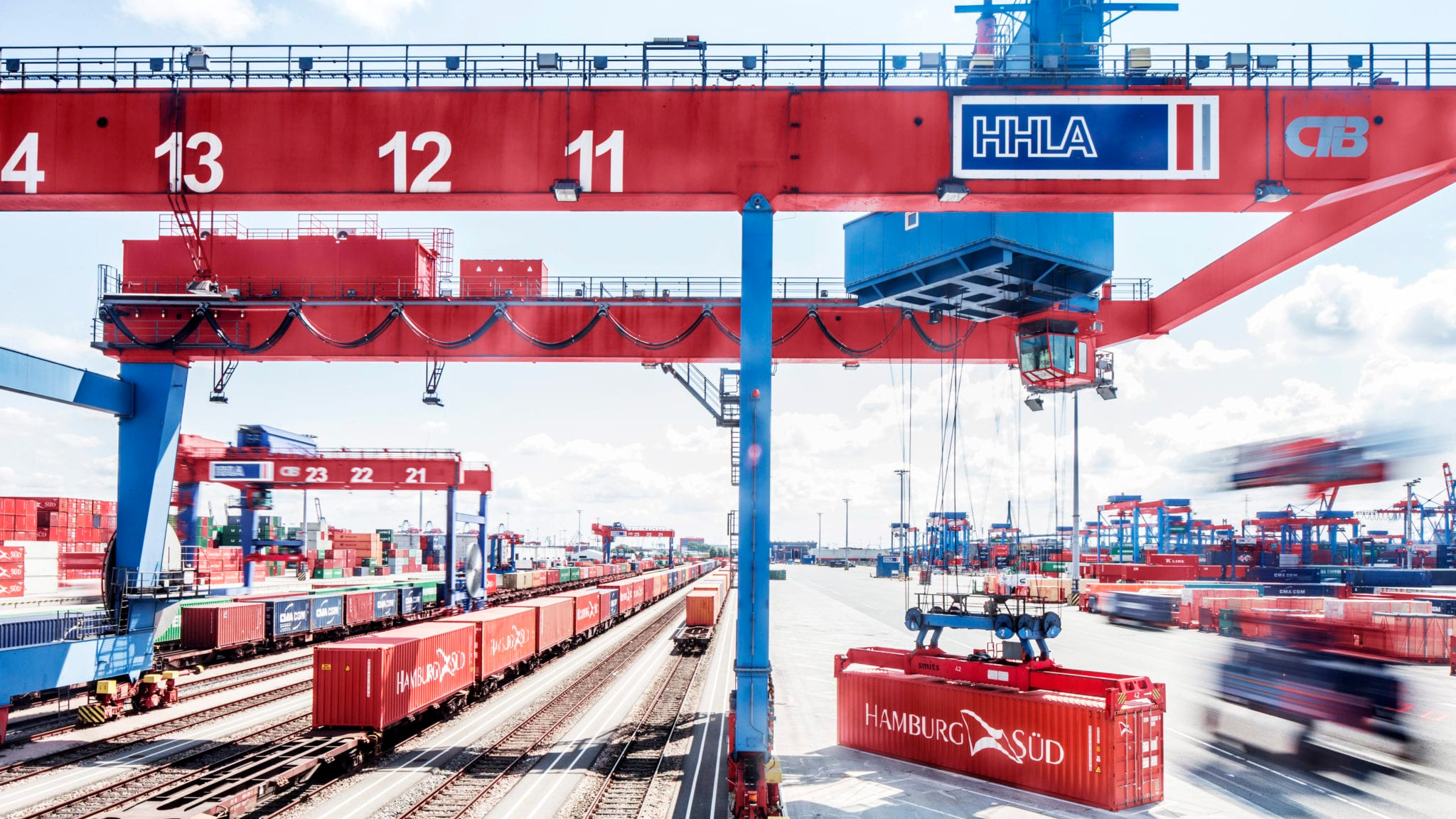
As well: a story that seems to repeat what was signed, deployed, and written five years ago: the port of Hamburg has a private 5G network from Deutsche Telekom and Ericsson. The Container Terminal Altenwerder (CTA) operated by Hamburger Hafen und Logistik AG (HHLA) wanted, initially, to cover a square kilometer of prime port real-estate to support worker comms, critical logistics, and future apps. Hamburg is a big one – Germany’s largest seaport and Europe’s third-largest container port – and the deal looks like another big winner for the private 5G community, which feels like it has had a kicking ever since Nokia pulled out.
But like we say, Hamburg has been all over private 5G for ages. I remember using brilliant pics of the port to illustrate reports five years ago (found again for this piece), and a quick search of the archive says it is no stranger to telco-based digital-change projects: trials with Deutsche Telekom and Nokia way back in 2019; slicing experiments with Deutsche Telekom the same year, from practically before 5G was even a thing; terminal operator Eurogate signing with Deutsche Telekom on an expanded deal in 2023 to cover Hamburg plus two other ports. There will be much more in the archive. In the end, maybe it just shows what a slow-burn this has been.


