

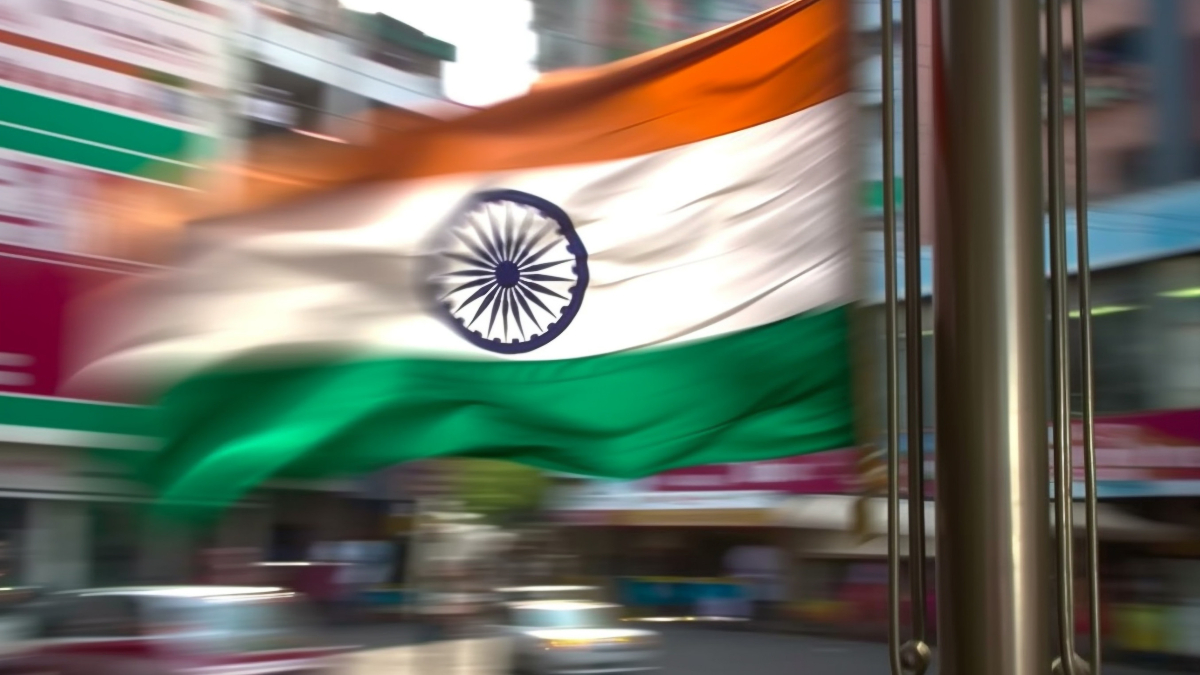
Scindia noted that India had one of the fastest rollouts of 5G in the world, with 500,000 base stations already deployed in the country
In sum – what to know:
AI transforming networks – Scindia said the industry is entering an “IQ era,” where AI is turning networks into adaptive systems capable of real-time transactions, predictive maintenance, and intelligent resource allocation.
Rapid connectivity expansion – India increased broadband subscribers from 60 million to more than 1 billion in a decade while mobile data prices fell from $3 to $0.09 per GB.
Next-generation connectivity – Programs such as BharatNet and the Bharat 6G Alliance aim to expand fiber access and position India in the development of future wireless technologies.
At Mobile World Congress 2026 in Barcelona, India’s communications minister Jyotiraditya Scindia outlined how artificial intelligence, large-scale connectivity, and digital infrastructure are shaping the country’s telecom strategy, highlighting rapid 5G deployment, falling data costs and preparations for 6G development.
Speaking during a keynote address at the event, which took place in Barcelona last week, Scindia described telecommunications as entering what he called the “IQ era,” in which networks, devices, and enterprises become increasingly intelligent and data-driven.
He added that artificial intelligence is reshaping how telecom networks operate. “As we step into the age of AI, it’s transforming telecommunications from a web of connections into a living system of cognition. An environment which in which networks are becoming much more responsive, enabling real time transactions, adaptive quality of service, performance, predictive maintenance, as well as intelligent fraud prevention and smarter resource allocation,” Scindia said.
During his keynote speech, Scindia also highlighted the scale of India’s telecom growth over the past decade, driven by policy reforms, competition, and infrastructure investment.
“The price of mobile data in India, which a decade ago was at $3 per GB, today has dropped to $0.09 per GB, a 97% drop. When we talk about broadband penetration, we had only 60 million broaeband subscribers in India ten years ago. Today, we have over a billion subscribers,” the official said.
He also pointed to rising data usage across the country. “Our average monthly data consumption has risen to close to 32 GB per user, one of the highest in the world.”
The minister said India has also rapidly expanded 5G infrastructure. “We had one of the fastest rollouts of 5G in the world, 500,000 base stations, close to about a $4 billion capex program, and 99.9% of districts covered. Today, out of our 1.2 billion subscribers in India, 400 million are on 5G. By 2030, that number should go up to over a billion people.”
Ericsson also estimates India will account for 1 billion 5G subscriptions by the end of 2031, representing a mobile penetration of 79%. The Swedish vendor expects 394 million 5G users by the end of this year, or 32% of total mobile subscriptions, driven by expanding coverage, affordable 5G devices and growing demand for high-speed data.
India is also expanding nationwide fiber connectivity through the government-backed BharatNet initiative.
Looking ahead, Scindia noted that India is investing in future wireless technologies through the Bharat 6G Alliance, which focuses on research into secure, interoperable and integrated terrestrial and non-terrestrial networks.
“Our ambition is not only to participate in the next wave of the communications revolution, but India would like to be a partner in shaping that next revolution,” Scindia added.

