

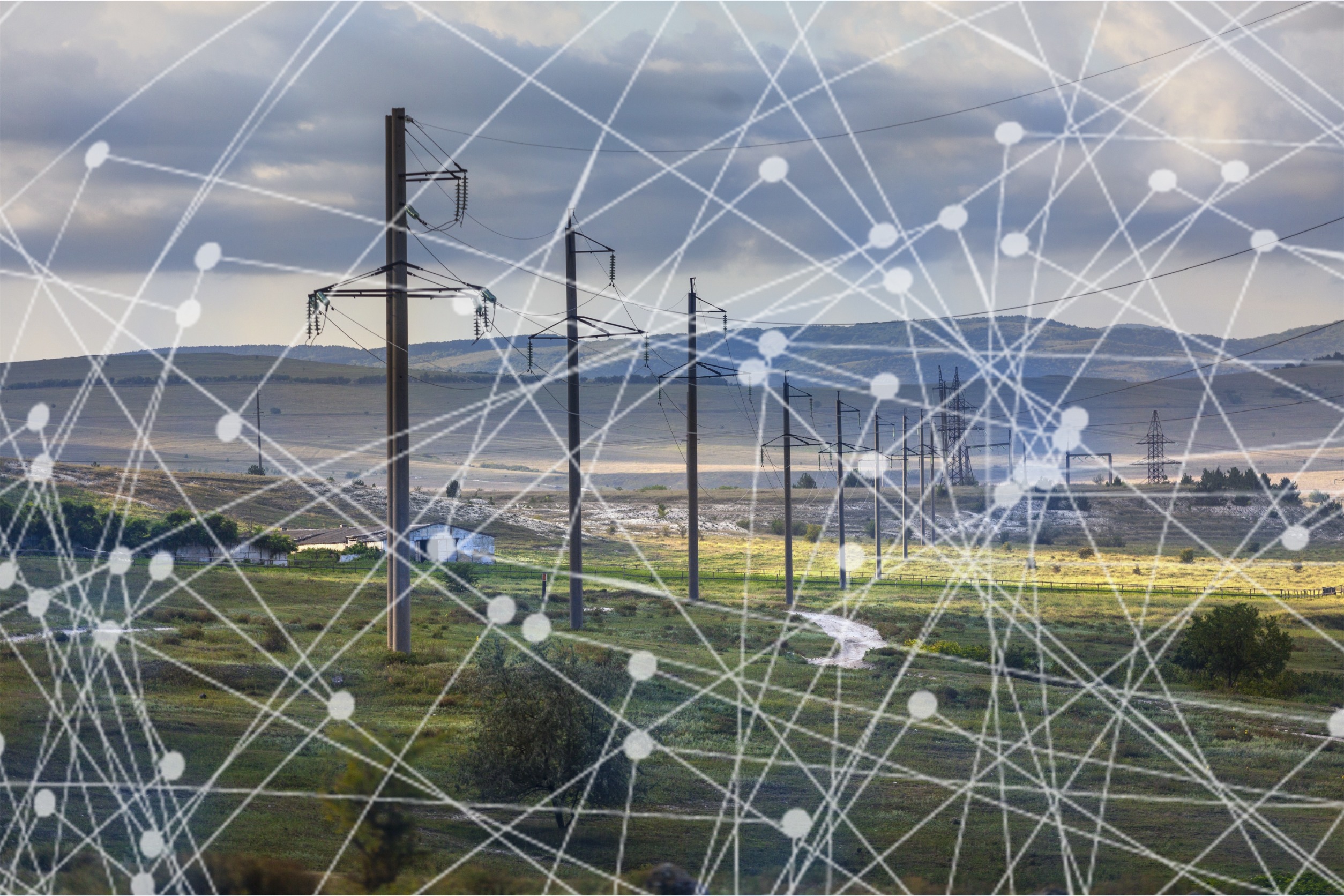
As global demand for more efficient, sustainable energy systems grows, the adoption of 5G technology has already begun to show its potential in transforming industries, particularly through its applications in smart energy and smart grid networks. But now, the next evolutionary step — 5G-Advanced (5G-A) — is on the horizon, and it’s poised to revolutionize the energy sector in ways that go beyond current capabilities. Let’s dive into what 5G-Advanced is, how it enhances smart grid networks and why it matters for smart energy management.
What is 5G-Advanced?
5G-Advanced is an extension of the 5G network, formally known as 3GPP Release 18, and is set to roll out between 2024 and 2025. It builds on the foundation of 5G by further improving the performance of mobile networks through greater speed, reduced latency, enhanced reliability and more efficient energy use. Importantly, 5G-Advanced isn’t just about faster internet on your smartphone; it’s aimed at fostering innovations in industries like energy, manufacturing and transportation by facilitating ultra-reliable, low-latency communications (URLLC), improved massive machine-type communications (mMTC) and advanced AI integration.
The role of 5G-Advanced in smart energy
In the context of smart energy, 5G-Advanced is expected to enable better integration of renewable energy sources, improve energy storage management and optimize energy distribution networks. Here’s how it can impact the energy sector:
- Real-Time Data for Energy Management: Smart energy systems rely on real-time data to manage energy flows between generators, storage systems and consumers. With 5G-Advanced, sensors and devices within these networks can communicate faster and more reliably. This enhanced connectivity means more precise monitoring of energy consumption patterns and instantaneous adjustments to optimize usage.
- Decentralized Energy Systems: The push for decentralized energy — where energy is generated closer to where it’s consumed — requires an extensive network of IoT devices that manage microgrids, renewable energy installations and smart meters. 5G-Advanced can improve the interaction between these decentralized energy systems by facilitating fast, reliable communication across devices, ensuring stability in energy distribution even with fluctuating renewable inputs.
- Enhanced Energy Storage Solutions: As more renewable energy sources like solar and wind are added to grids, the need for advanced energy storage solutions increases. 5G-Advanced can aid in better managing energy storage systems by providing low-latency communications between storage devices and energy grids. This ensures that energy is efficiently stored and released according to demand, reducing energy waste and enhancing grid stability.
- Grid Automation and Fault Detection: Smart grids use automation to improve efficiency, but they also need to identify and respond to faults immediately to prevent outages. 5G-Advanced supports ultra-reliable, low-latency communication, which is critical for automatic fault detection and response systems. For example, it can help grid operators detect and isolate faults in milliseconds, minimizing downtime and preventing blackouts.
- Demand Response and Load Balancing: As energy demands fluctuate throughout the day, utilities need to balance loads to avoid strain on the grid. 5G-Advanced can streamline the process of load balancing by enabling quicker communication between energy providers and consumers. Advanced algorithms, powered by artificial intelligence (AI), can dynamically adjust energy production and distribution based on real-time demand, leading to more efficient grid management.
Impact on smart grid networks
Smart grids are already using 5G to support a more responsive, flexible energy infrastructure, but 5G-Advanced will take this to a new level. Smart grids benefit from 5G-Advanced in several key areas:
- Enhanced Connectivity and Capacity: The increased bandwidth of 5G-Advanced allows smart grids to handle a massive influx of connected devices, including smart meters, sensors and home energy systems. With more reliable and faster data transmission, grid operators can get more detailed and timely insights into energy usage across vast networks.
- Network Slicing for Customization: One of the standout features of 5G-Advanced is network slicing, which enables the creation of virtual networks tailored to specific needs. For smart grid networks, this means that different energy applications — whether they be emergency services, grid monitoring, or consumer energy management — can operate on dedicated slices of the network. This ensures that critical systems like fault detection or emergency energy rerouting maintain the highest priority and performance.
- AI and Machine Learning Integration: 5G-Advanced enhances the capability of smart grids by better integrating AI and machine learning technologies. These tools are essential for predictive maintenance, demand forecasting and optimizing energy flows. With faster data transmission and processing power, 5G-Advanced enables real-time analytics, which helps grid operators anticipate demand spikes, detect inefficiencies and reduce energy waste.
- Support for Edge Computing: Edge computing — the process of bringing computational power closer to the source of data — is crucial for smart grid operations. 5G-Advanced facilitates edge computing by providing the necessary speed and reliability for distributed networks to process data locally rather than sending everything to a centralized cloud. This local processing allows faster responses and reduced latency, which is critical in real-time energy management.
Benefits for consumers and the environment
For consumers, the shift to 5G-Advanced-powered smart energy systems means more personalized and responsive energy management. Homeowners with smart meters will see more accurate energy consumption data and may even benefit from dynamic pricing models, where energy costs fluctuate based on real-time supply and demand. This gives consumers the power to adjust their energy usage to save money.
Moreover, the environmental impact of 5G-Advanced in energy management could be significant. By improving the efficiency of renewable energy integration and optimizing energy usage across grids, 5G-Advanced can help reduce carbon emissions, limit energy waste and promote sustainable energy practices.
Conclusion
As the energy sector faces the dual challenge of meeting rising global demand and transitioning to sustainable, renewable sources, 5G-Advanced stands as a vital technology for enabling the future of smart energy and smart grid networks. Through its improvements in speed, reliability and AI-driven analytics, 5G-Advanced will enhance the ability of smart grids to manage complex, decentralized systems, ensure grid stability and promote energy efficiency.
In short, the arrival of 5G-Advanced marks a significant leap forward for the energy industry, laying the groundwork for smarter, greener and more resilient energy systems. Whether through real-time data monitoring, enhanced grid automation or improved renewable energy integration, this next phase of wireless technology promises to power the future of energy.
Table of Contents

