

AI-driven investment is transforming digital infrastructure into one of the world’s fastest-growing industries. But rapid expansion, power constraints, and inevitable consolidation mean many firms may not be around for long. So says Allegiance Search.
I’ve spent a significant amount of time mapping the digital infrastructure landscape and have identified more than 170 companies operating across the market. My prediction? Five years from now, perhaps just 50 of those businesses will still exist as independent companies. That may sound pessimistic, but it isn’t.
If anything, it’s a reflection of how attractive this market has become. From developers and investors to businesses supplying power infrastructure, cooling systems, critical equipment, financing, and the wider ecosystem supporting data center development, digital infrastructure is one of the fastest-growing industries in the world. It is also one of the most fragmented.
The pace of growth is attracting unprecedented levels of investment. That creates opportunity, but it also creates inevitable consolidation. Not every company operating today will make it through the next phase of the market’s evolution.
Growth creates fragmentation – success creates consolidation
Every high-growth market follows a familiar pattern. Capital flows into the sector. New businesses emerge. Investors back ambitious founders. Specialists appear to solve increasingly complex challenges. Eventually, the market matures.
The strongest businesses begin acquiring capabilities instead of building them. They buy expertise, intellectual property, customer relationships, or strategic assets that would take years to develop internally.
That is exactly where I believe digital infrastructure is heading. The companies that survive will not necessarily be the ones raising the largest funding rounds today. They will be the businesses that own something genuinely difficult to replicate or possess assets that become increasingly valuable as competition intensifies. Increasingly, that asset is power.
Funding gets you started – it does not guarantee survival
One of the biggest misconceptions in digital infrastructure is that raising capital is the hardest part. It isn’t. Capital has become the price of entry because investors understand the long-term demand being created by AI, cloud computing, and data centers.
What happens after funding is secured is what separates successful businesses from everyone else. Can leadership continue scaling the organization? Can projects be delivered consistently? Can the business secure reliable access to power? Can it attract people who have already built companies through periods of rapid growth?
Funding creates opportunity. Leadership determines whether that opportunity becomes a lasting business.
Race is no longer for land – it is for powered land
Perhaps the biggest shift I’ve seen over the last 18 months is how developers approach site selection. Historically, developers found land first and solved infrastructure challenges later. Today, many are doing exactly the opposite. The defining question has become whether power is available.
That single change is reshaping investment decisions across the industry. Developers are acquiring energy assets alongside land, investing heavily in power origination capabilities, and hiring leaders who understand utility relationships because access to electricity has become one of the most valuable strategic advantages in the market.
The businesses that secure power first will move faster than competitors still trying to solve the problem after acquiring a site.
Hardest stage is not startup – it is scaling
Founders naturally rely on their own networks to build the first version of a business. It is often the fastest and most effective way to hire early employees. Eventually, though, those networks stop scaling.
The transition from 20 employees to 100 is where companies stop building teams and begin building organizations. Every leadership hire starts influencing culture, decision making, and the company’s ability to execute over the next several years. This is also where many founders discover that relying solely on referrals limits the quality of leadership they can access.
The executives hired during this stage will shape what the business looks like three years from now. In many cases, they will also determine how attractive that company becomes to investors or future acquirers.
What founders should prioritize now
If I were advising founders building a digital infrastructure company today, my priority would be simple – build leadership capability earlier than you think you need it.
Hire people who have already scaled businesses instead of hiring only for today’s requirements. Think about where the company needs to be three years from now rather than filling immediate gaps. Recognize that strategic assets now extend well beyond land or funding. Access to power, specialist expertise, and the relationships behind both are becoming some of the most valuable competitive advantages in the market.
I have very little doubt that digital infrastructure will continue growing. What I question is how many of today’s businesses will still be independent when that growth begins to mature.
In my view, it will not be the companies with the biggest announcements or the highest valuations that survive. It will be the businesses that secure strategic assets, build exceptional leadership teams, and execute while everyone else is still reacting.
That is why I believe only 50 of today’s 170 digital infrastructure companies will still exist as independent businesses five years from now.
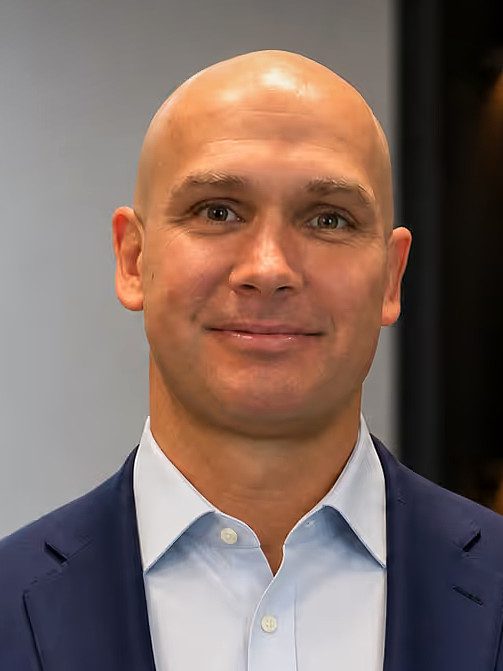
Craig Thompson is co-founder at Allegiance Search, a specialist executive search firm focused on the digital infrastructure and energy sectors. He brings 25 years of recruitment and executive search experience across three continents.