

RCR Wireless
  • News
  • Channels
    • 5G
    • 6G
    • BSS OSS
    • Carriers
    • IoT
    • Network Infrastructure
    • Open RAN
    • Private 5G
    • Telco AI
    • Telco Cloud
    • Test & Measurement
  • Resources
    • Reports
    • Webinars
    • White papers
    • AI Fundamentals
    • Analyst Angle
    • Editorial Calendar
    • Fundamentals
      • 5G NR Release 17
      • AI
        • Telco AI in 2025
    • Podcasts
      • Let’s Get Digital with Carrie Charles
      • Wireless Connectivity to Enable Industry 4.0 for the Middleprise
      • Well Technically…
      • Will 5G Change the World
      • Accelerating Industry 4.0 Digitalization
  • AI Infrastructure
  • Programs
  • Events
  • RCRtv
  • Advertise
  • Subscribe
Sunday, July 12, 2026
RCR Wireless
  • News
  • Channels
    • 5G
    • 6G
    • BSS OSS
    • Carriers
    • IoT
    • Network Infrastructure
    • Open RAN
    • Private 5G
    • Telco AI
    • Telco Cloud
    • Test & Measurement
  • Resources
    • Reports
    • Webinars
    • White papers
    • AI Fundamentals
    • Analyst Angle
    • Editorial Calendar
    • Fundamentals
      • 5G NR Release 17
      • AI
        • Telco AI in 2025
    • Podcasts
      • Let’s Get Digital with Carrie Charles
      • Wireless Connectivity to Enable Industry 4.0 for the Middleprise
      • Well Technically…
      • Will 5G Change the World
      • Accelerating Industry 4.0 Digitalization
  • AI Infrastructure
  • Programs
  • Events
  • RCRtv
  • Advertise
  • Subscribe
Add RCR Wireless as a preferred source on Google
  • Qualcomm 6G Insights
  • Huawei Content Hub
  • Qualcomm – 6G Vision
  • OSS/BSS Channel
  • RCRTech Roundtable: AI Infrastructure
RCR Wireless
RCR Wireless
  • Advanced Mimo
  • Mobile mmWave
  • 5G Positioning
  • Green Networks
  • Metaverse
  • Automotive
  • Industrial and Wide-area IoT
Copyright 2021 - All Right Reserved
Home - What infra upgrades are needed to handle AI energy spikes?
RCRTech TrendsAI InfrastructureData CenterEnergyFundamentals

What infra upgrades are needed to handle AI energy spikes?

by Juan Pedro Tomás April 17, 2025
written by Juan Pedro Tomás April 17, 2025 Share
LinkedinEmail
Share 0LinkedinEmail
energy
295

AI workloads don’t just consume energy—they consume it with patterns that are impossible to predict. This is why infrastructure upgrades are key

In sum – what you need to know:

AI energy demand – rapid expansion of AI tech, especially large models and applications, drives unpredictable energy spikes that strain outdated power grids and data centers.

Smart infrastructure – modernizing power grids, strengthening data center systems, and integrating renewable energy storage are critical to managing AI energy sustainably.

AI to the rescue – AI-driven tools are being used to predict demand patterns, optimize grid performance, and prevent energy overloads – to ensure reliable energy delivery.

As artificial intelligence (AI) technologies surge at a very fast pace, so do their energy demands. From training massive AI models like ChatGPT to running real-time applications in industries and homes, AI systems need significant computing power. This increased usage leads to sharp spikes in energy consumption — especially in data centers and power grids. To handle this growing demand, there is a need for smart infrastructure upgrades that can ensure reliable energy delivery, reduce emissions and support the continued expansion of AI.

Why AI needs so much energy

AI systems — especially large language models and generative AI—rely on high-performance computing hardware such as GPUs and specialized chips like TPUs. These machines run continuously, often in large data centers. Training one large AI model can consume as much electricity as hundreds of homes use in a year.

AI also drives energy use beyond data centers. AI-powered applications like autonomous vehicles, smart factories and predictive healthcare run around the clock and require low-latency data processing. That creates additional demand on both local computing systems and the energy grid.

The problem with sudden spikes

AI workloads don’t just consume energy—they consume it with patters impossible to predict. A company might suddenly launch a new AI product, or traffic on an app might surge due to a viral trend. These events can cause short bursts of very high energy usage.

Traditional energy systems are not built to respond instantly to such spikes. If the local power infrastructure is outdated or already strained, these surges can lead to blackouts or reduced performance. That’s why energy systems must evolve to handle AI’s unpredictable demands.

Key infrastructure upgrades needed

Here are some of the most important upgrades that can help manage AI-driven energy spikes:

1. Modernize power grids

A smart grid uses sensors, automation as well as real-time data to monitor and manage electricity flow. Unlike traditional grids, which are slow to respond, smart grids can detect energy spikes and automatically redirect power where it’s needed.

Smart grids also make it easier to balance supply and demand, avoid overloads, and integrate renewable energy sources.

2. Strengthen data center power systems

Data centers are the backbone of AI computing. Operators need to:

-Install redundant power supplies and battery backups.

-Use intelligent load balancing to distribute computing tasks across multiple centers.

-Upgrade to modular power architectures that scale efficiently with AI demand.

-Many centers are now turning to liquid cooling systems to reduce energy waste from traditional air-based cooling.

3. Build more edge data centers

Edge computing brings data processing closer to users. These  edge data centers reduce latency and relieve pressure on centralized data centers.

Deploying more edge data centers can help absorb local AI traffic surges and reduce long-distance power and data transfer needs.

4. Integrate renewable energy with storage

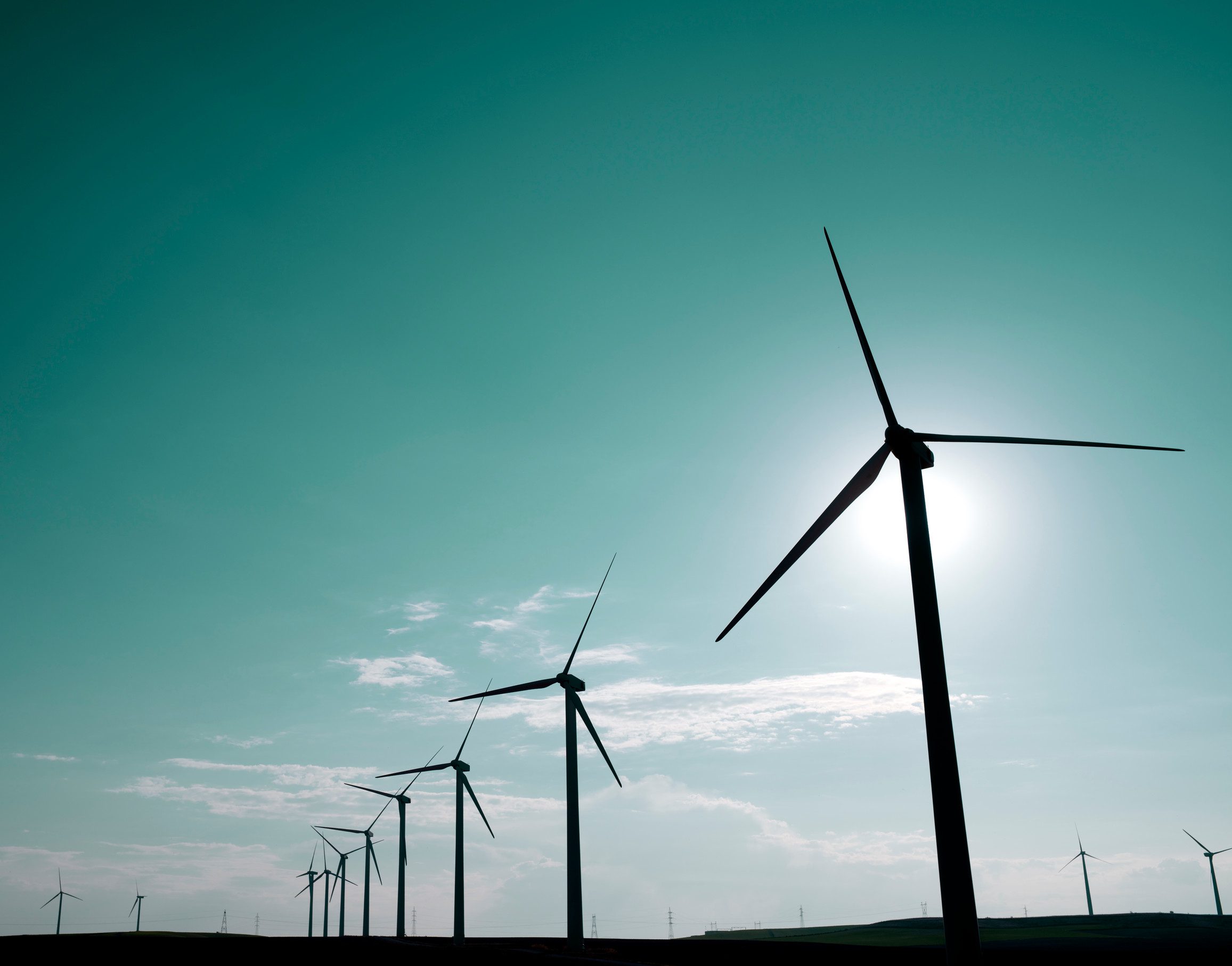
AI’s growing energy footprint raises concerns about sustainability. To reduce emissions, infrastructure must rely more on renewable energy, such as solar and wind.

However, renewables are not always available on demand. The solution is battery storage and energy management software that store excess energy when it’s produced and release it when AI demand spikes.

5. Use AI to manage energy itself

AI can help manage the very problem it causes. Energy operators are now using AI for:

-Predicting demand patterns in real time

-Optimizing grid performance

-Preventing overloads before they happen

By using AI to analyze usage data and weather conditions, operators can make smarter decisions about energy distribution.

Conclusion

AI is here to stay—and it will only become more powerful. If infrastructure doesn’t keep up, energy shortages and environmental damage could follow. But with smart investments in power grids, data center design renewable energy, and AI-driven management, we can support AI’s growth sustainably and responsibly. This would require that Governments, energy companies and tech firms work together to modernize infrastructure now.

You Might Also Like
  • Thursday (telco diary) | The plumbing is the product
  • Optical advances won’t eliminate need for new fiber, says Dell’Oro
  • Wednesday (telco diary) | Mobility matters for physical AI
  • Tuesday (telco diary) | AI hub and spoke, cloud to edge
  • Huawei outlines AI-centric network roadmap for telecom monetization
  • Indosat outlines AI Grid vision as 5G modernization targets nationwide AI-ready network

Table of Contents

  • AI workloads don’t just consume energy—they consume it with patterns that are impossible to predict. This is why infrastructure upgrades are key
    • Why AI needs so much energy
    • The problem with sudden spikes
    • Key infrastructure upgrades needed
    • Conclusion
Share 0 LinkedinEmail
Avatar of Juan Pedro Tomás
Juan Pedro Tomás

Juan Pedro covers Global Carriers and Global Enterprise IoT. Prior to RCR, Juan Pedro worked for Business News Americas, covering telecoms and IT news in the Latin American markets. He also worked for Telecompaper as their Regional Editor for Latin America and Asia/Pacific. Juan Pedro has also contributed to Latin Trade magazine as the publication's correspondent in Argentina and with political risk consultancy firm Exclusive Analysis, writing reports and providing political and economic information from certain Latin American markets. He has a degree in International Relations and a master in Journalism and is married with two kids.

previous post
BSNL focuses on infra, pricing to compete in India’s 5G market
next post
India’s DoT scrutinizes Chinese gear in national 5G networks

White Papers

  • Enea White Paper: Why Intelligent AAA is the Swiss Army Knife of Telecom

  • CSG White Paper: Telco AI Enabler: Mediation’s Defining Role

  • Enea White Paper: Scalable Database Design for 5G and Beyond

  • Supermicro and NVIDIA Whitepaper: Powering sovereign AI at scale

  • VIAVI Whitepaper: RAN scenario generators and their critical role for future-proofing AI-native RAN in Advanced 5G and 6G networks

Editorial Reports

  • Report: Scaling Optical Networks For The Hyperscale And AI Era

  • Test And Measurement Market Pulse Report

  • Editorial Report: Securing telecom infrastructure for the quantum era

Webinars

  • Webinar: Building 6G — aligning technology, policy and purpose

  • SIMCom Webinar: Scaling your next deployment – from plastic to provisioning

  • Webinar: Rethinking the RAN as AI, cloud and openness converge

  • Webinar: Scale-Up, Scale-Out, Scale-Across – Building AI-Era Network Fabrics

  • Webinar: NTN in motion – evolving standards, expanding services

Since 1982, RCR Wireless News has been providing wireless and mobile industry news, insights, and analysis to mobile and wireless industry professionals, decision makers, policy makers, analysts and investors.

Facebook Twitter Youtube Linkedin Envelope Rss

Useful Links

  • Subscribe
  • About RCR Wireless News
  • Contact Us
  • Advertise
  • Editorial Calendar
  • Archive
  • RSS
  • Wireless News Archive
  • Subscribe
  • About RCR Wireless News
  • Contact Us
  • Advertise
  • Editorial Calendar
  • Archive
  • RSS
  • Wireless News Archive

Edtior's Picks

Webinar: Building 6G — aligning technology, policy and purpose
Vodafone at the heart of Euro telco reset as Iliad owner buys e&...
How operations leaders see 5G as vital for mission-critical workflows (Reader Forum)

Latest Articles

Webinar: Building 6G — aligning technology, policy and purpose
Vodafone at the heart of Euro telco reset as Iliad owner buys e& stake for $5.9bn
How operations leaders see 5G as vital for mission-critical workflows (Reader Forum)
Thursday (telco diary) | The plumbing is the product

© 2026 RCR Wireless News All Right Reserved. Developed by Eight Hats.

Cookie Policy | Privacy Policy

RCR Wireless
  • News
  • Channels
    • 5G
    • 6G
    • BSS OSS
    • Carriers
    • IoT
    • Network Infrastructure
    • Open RAN
    • Private 5G
    • Telco AI
    • Telco Cloud
    • Test & Measurement
  • Resources
    • Reports
    • Webinars
    • White papers
    • AI Fundamentals
    • Analyst Angle
    • Editorial Calendar
    • Fundamentals
      • 5G NR Release 17
      • AI
        • Telco AI in 2025
    • Podcasts
      • Let’s Get Digital with Carrie Charles
      • Wireless Connectivity to Enable Industry 4.0 for the Middleprise
      • Well Technically…
      • Will 5G Change the World
      • Accelerating Industry 4.0 Digitalization
  • AI Infrastructure
  • Programs
  • Events
  • RCRtv
  • Advertise
  • Subscribe
RCR Wireless
  • News
  • Channels
    • 5G
    • 6G
    • BSS OSS
    • Carriers
    • IoT
    • Network Infrastructure
    • Open RAN
    • Private 5G
    • Telco AI
    • Telco Cloud
    • Test & Measurement
  • Resources
    • Reports
    • Webinars
    • White papers
    • AI Fundamentals
    • Analyst Angle
    • Editorial Calendar
    • Fundamentals
      • 5G NR Release 17
      • AI
        • Telco AI in 2025
    • Podcasts
      • Let’s Get Digital with Carrie Charles
      • Wireless Connectivity to Enable Industry 4.0 for the Middleprise
      • Well Technically…
      • Will 5G Change the World
      • Accelerating Industry 4.0 Digitalization
  • AI Infrastructure
  • Programs
  • Events
  • RCRtv
  • Advertise
  • Subscribe
@2020 - All Right Reserved. Designed and Developed by PenciDesign
