

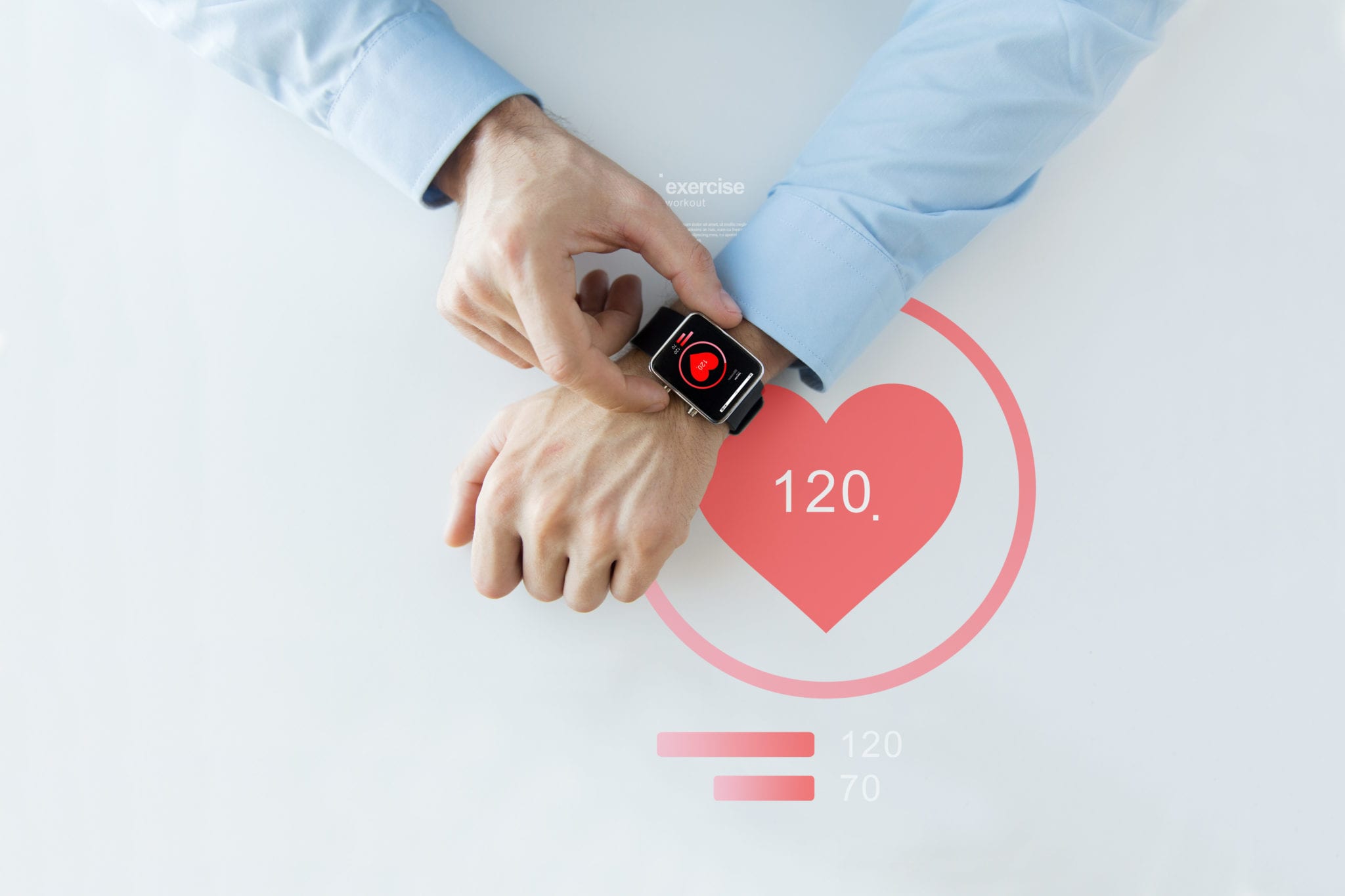
The global market for home medical equipment is experiencing explosive growth. Smart devices are being used to monitor and treat patients suffering from diabetes, cardiac disorders, and other medical conditions without exposing those patients to the risk of hospital-acquired infections. Numerous organizations, including the World Health Organization and the National Council of Aging, are promoting self-health management to give patients better outcomes.

This trend leverages digital technology to benefit hospitals and medical facilities by enabling cost-effective remote patient monitoring. Rather than requiring frequent hospital visits, healthcare professionals can monitor health data from a distance, bringing patients in only when necessary.
The underlying connectivity technology in these devices is crucial, and has a long-reaching impact on the quality of care. Devices have several options for transmitting data: some use Wi-Fi, others connect through the patient’s smartphone over Bluetooth, while others connect directly to cellular networks.
Each of these methods has advantages and limitations in terms of cost, reliability, simplicity, or other features defining the quality of the product. In this article, we’ll evaluate and review the different connectivity options in three key functional elements of a remote patient monitoring device to see which technology offers the most benefit to its users.
Onboarding devices
Medical devices can be challenging to set up, often requiring professional assistance, to ensure that the device is calibrated to the patient’s needs.
For devices that connect over Wi-Fi, the patient is responsible for connecting their device to their home network. This can be tricky for some patients, especially given that many patients are seniors, in poor health, or not tech savvy. Many rely on set-up instructions that can be difficult to follow, making this option less ideal for some users.
Bluetooth is a simpler connection process using familiar tools. However, this isn’t a direct cloud setup and requires a nearby smartphone to transmit data. A 2022 Pew Research study found that only 61 percent of Americans over 65 had a smartphone, severely limiting its accessibility for seniors.
Cellular technology operates on existing, public infrastructure. It eliminates the need for complex configurations or smartphone ownership. It provides out-of-the-box connectivity, and supports continuous data streams for remote monitoring. Devices with cellular connectivity are by nature ‘instantly connected’, requiring no setup from the user.
This zero-touch configuration means patients can start using the device immediately upon receiving it, without any technical knowledge or assistance required.
Real examples
A colleague with a suspected cardiac condition was given a mobile ECG to monitor his heart and transmit readings to the medical service center. However, the patient struggled to pair the device with his smartphone, and critical data was lost. Fortunately, the colleague was okay, and the result of his technical issues was insignificant. But for patients with a medical issue, connectivity challenges can be a life-or-death issue.
Some companies are pioneering connectivity solutions to support critical medical devices. For example, one medical device developer recognized the issues patients have with Bluetooth for their insulin monitors and standard auto-injectors. User studies revealed significant challenges with non-cellular options: they rely on additional devices, such as gateways or smartphones, to transfer data. This dependency can limit convenience and access.
Furthermore, non-cellular technologies face constraints with data size and communication range, which can compromise reliability in certain healthcare scenarios.
The company developed a retrofittable connectivity module that enables the devices to connect over cellular. The cellular connectivity provides a direct, always-on link for these medical devices, enabling more consistent and reliable data transmission without needing an intermediary device. This makes cellular connectivity particularly advantageous for critical health monitoring applications. Moreover, these cellular-enabled devices often feature single button press operation, making them incredibly user-friendly, especially for patients who may be less tech-savvy or in distress.
Healthcare issues
Different medical conditions require varying levels of monitoring. For example, a glucose meter can take periodic checks and transmit data on a daily basis. A wearable ECG monitor, on the other hand, might require constant connectivity, allowing it to send real-time data to healthcare personnel who are continually monitoring their condition.
Yet, even relatively minor medical conditions can benefit from the simple, reliable connectivity afforded by cellular technology. Devices like smart inhalers or remote oxygen sensors benefit from consistent monitoring, where uninterrupted data flow via cellular might be more essential. Wi-Fi connections, though generally reliable, can be disrupted by power failures, misconfigurations, or interference from other devices.
Cellular technology offers consistent connectivity, ensuring uninterrupted data flow.
Bluetooth connections are also prone to failures, especially when moving out of range or when they experience interference from other devices. These can result in patients going unmonitored for days.
The strength of cellular technology is it is always on and constantly connected. There are no concerns about data being lost due to power outages or other unexpected issues.
Security issues
Healthcare data is vulnerable to threat actors, who might use the data they steal in targeted phishing attacks, pharmaceutical fraud, blackmail, and other nefarious activities. Protecting one’s medical information is of utmost importance.
When data travels from the device to the processing entity in the cloud, it goes through several network and application layers. Whether with Wi-Fi, Bluetooth, or cellular, each layer can be targeted to compromise the data. However, cellular connectivity goes directly from the device to the cell tower, skipping personal routers, smartphones, or gateways, which can be hacked.
Bluetooth and Wi-Fi connections data travels through extra hops – on the router or smartphone – which exposes the data to threat actors in the least-secured segment of the data’s journey.
Technology choices
The choice of connectivity technology depends on various factors, including the product’s requirements, cost considerations, and size requirements. For reusable products, cellular technology often outperforms other options like Bluetooth if additional cost and size needs can meet customer expectations.
Cellular technology is ideal for most medical device use cases due to its reliability, security, and simplicity. Today’s cellular chipsets offer ultra-low power consumption, requiring infrequent charging or battery replacements. Furthermore, they deliver a better user experience, secure data, and rely on public network infrastructure for robust and reliable connectivity.
The zero-touch configuration of cellular-enabled devices means they’re ready to use immediately, reducing the risk of user error and ensuring that critical data can be transmitted without delay.
Ultimately, technology should reflect the patient’s needs, the criticality of the condition being monitored, and the available infrastructure. As cellular connectivity continues to improve in both cost and efficiency, it may emerge as the most reliable and practical option for the majority of patients using home medical devices.

