

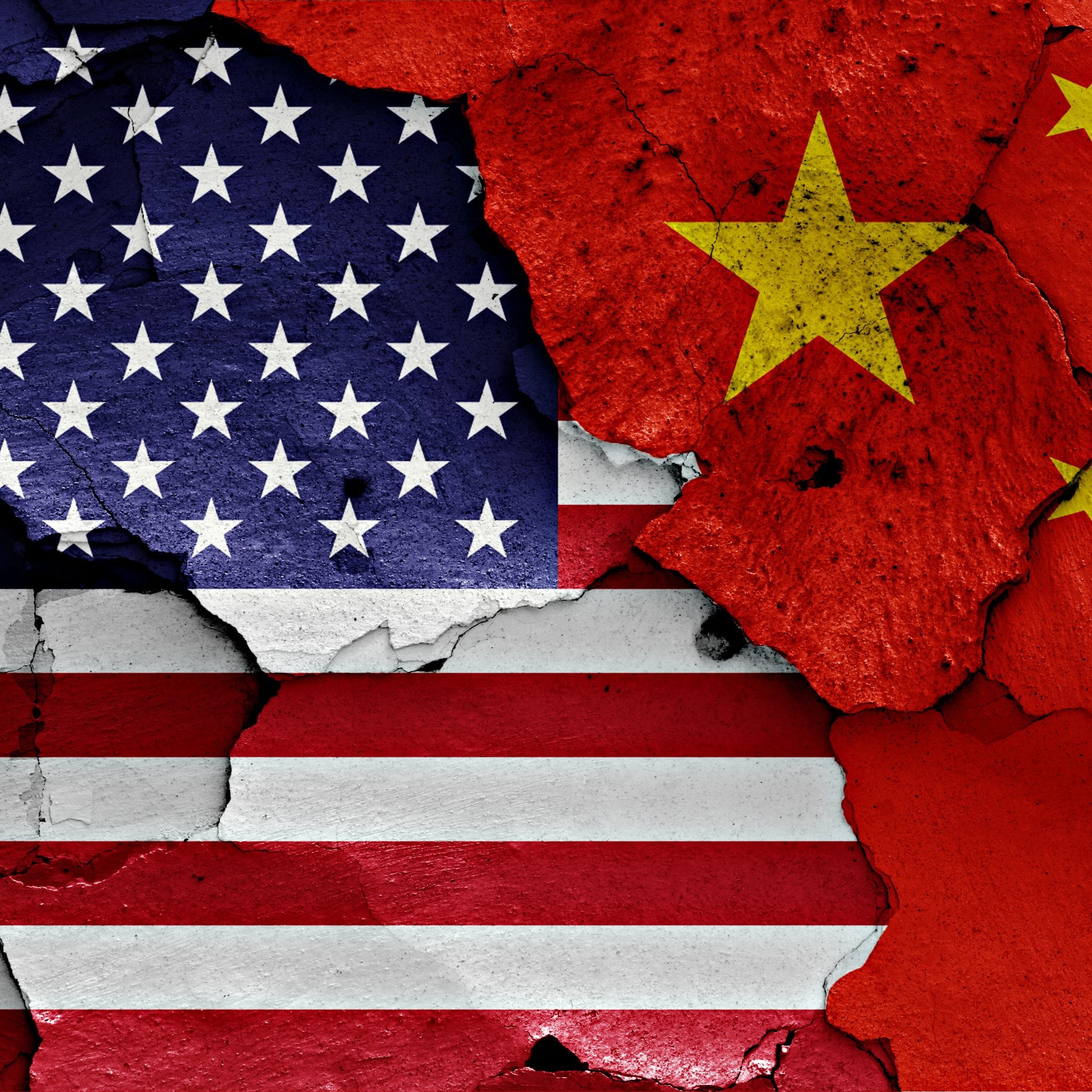
Huawei is one of the strongest and most successful wireless companies in the world today. So why is there so much push-back against them in the USA? I can tell you exactly where the problem started. The original mistake was made more than a decade ago, when they first entered the U.S. marketplace. This mistake started a decades long problem they are still wrestling with today.
The interesting thing is this problem could have been averted. The mistake Huawei made is an important lesson for every executive in every company and every industry, worldwide.
Create your own brand identity or others will do it for you
The problem boiled down to a single thought is this … never assume your good name will speak for itself and that it will automatically be positive and translate into success. Rather, you need to create and actively manage your own brand identity from the start. You have to make sure public sentiment starts out on your side and stays there.
This does not happen by itself. Every company must manage and build their image, continually, period.
This was the big mistake Huawei made when they entered the U.S. marketplace.
Never assume this will take care of itself. It never does. What the marketplace thinks about your company is key to customers, investors, regulators, workers, competitors and more. Even the U.S. Congress.
You never get a second chance to create a first impression.
You must stay active and engaged with marketing, social media, public relations and advertising and you must carefully craft your image right from the start.
If you spend time and money and craft a positive and long-lasting first image and manage it going forward, it will pave the way ahead for growth. If you don’t, at best the road will be rocky going forward and you will struggle.
This is especially true for foreign companies. Some foreign companies like Samsung seem to have developed a great reputation and image. Others like Softbank struggle. And there are many other companies on both sides we can learn from.
Consider Huawei, Samsung and Softbank in creating the right image
The lesson learned here is so important for every executive in every company, foreign companies entering the U.S. marketplace and in fact new U.S. companies, or those moving into new sectors.
Remember, either you create your own corporate brand image, or it will be created for you by your competitors and adversaries, and that is never a good thing.
Remember when Facebook, Amazon, Comcast, Spectrum and others first moved into wireless a decade ago? They are successful in their original sector, but they failed in wireless. Why? The reason is they never created a winning image in this new area. And they paid the price.
Every company starts as a blank slate regarding brand image
When you start, you are seen as a blank slate. This is the only time in your existence you have both this enormous opportunity and serious challenge to create the right image.
Do it correctly in the beginning and you increase your chances of success.
As an example, consider Softbank. This is a Japanese company run by billionaire entrepreneur Masayoshi Son. He is very successful in Japan and wanted to expand his reach into the United States.
Softbank struggled in US marketplace trying to acquire Sprint
He thought it would be easier than it was. He assumed everyone here knew his name and brand and would welcome him. That was his first mistake. Never assume.
Since he never created his own image, he faced the image created by the opposition. He also faced significant pushback from the U.S. Congress and regulators. He tried again and again and failed. Then after years of trying, he finally acquired the majority of Sprint.
This wasn’t the end of the Softbank battle.
He brought in a new CEO to run Sprint and worked hard to create a viable, new and different competitor. However, that never happened, and they continued to struggle. Ultimately, Sprint was forced to merge with T-Mobile US for survival.
The problem was that no one in the United States knew anything about Softbank or Masayoshi Son. Who were they? Should we be concerned?
You see, Softbank was a blank slate. Since they didn’t create their own brand image, the competition and government regulators created one for them and it was a negative image.
Son assumed his prior success in other parts of the world would translate into success here in the USA. He was wrong. It didn’t.
Crafting your positive first impression in new market is key to success
The secret of success is to make the marketplace see you in a positive light from day one. That means you must spend plenty of time and money creating a positive first impression.
You see first impressions are lasting. They are necessary to be successful. And if you don’t craft your own positive, first impression, others will do it for you, and you will lose.
We as human beings need to have a familiar environment to feel comfortable and to be welcoming. We are always suspicious of newcomers or strangers we don’t yet know. Especially foreign companies.
What we don’t know, we find hard to trust. It has always been that way and it always will.
Every new company is an empty stage, so carefully create your brand
When a company enters the stage, they are unknown. So, it is key they create their own positive impression. They start out like a blank pegboard or an empty stage to the marketplace.
In the very beginning, no one knows anything about them. That means customers, investors, workers and regulators. That is why it is so important to craft a positive first impression. Remember, first impressions are lasting impressions.
I remember when Huawei first entered the US marketplace. They had a big booth at a trade show in Las Vegas and were trying to introduce themselves to America.
They didn’t know the U.S. marketplace or understand how it worked. That lack of insight kept them too quiet. They thought their success in China would speak for itself.
Taking that position let others to craft the initial impression about the company.
They have been fighting against that first mistake ever since.
In recent years, they have held several executive get-togethers and teleconference calls to get to know them better. I have been invited to several of these.
This was smart on their part. This has helped. I now better understand the company.
However, the challenge is changing the mind of the vast marketplace. At this point they are struggling to push the boulder uphill. It would have been much easier for them to get it right from the beginning.
First impressions are lasting impressions
Don’t simply assume the marketplace will understand you. Rather, assume the marketplace needs to see a pegboard with pegs and lines, or a stage full of actors and a set.
It’s ultimately important that a company steer its own first impression because that will be a lasting impression.
It may will be a while before Huawei can crack back into the U.S. marketplace once again.
I think they can eventually. However, before then they must spend the time and money on marketing, advertising, public relations and more to soften the opposition.
They must now change the understanding and positioning in the minds of all Americans. And this is much more difficult and time consuming than creating the right initial impression.
Huawei resistance fades when US and China work together again
When the U.S. Government and China Government ultimately start getting along and working together again, I believe the Huawei resistance will start to fade away.
That would help clear the way more rapidly for Huawei in the US marketplace. Until that happens, they need to focus on the long game. This is a big job. It’s always quite a bit harder to change the perception of the market rather than create the right perception from the start.
Huawei is a huge success story worldwide. This is not going to stop. That being said, the USA is a huge marketplace, and they would love to have a piece of it.
So, they must focus on marketing, advertising and public relations in the United States in order to turn around the negative brand identification and soften the opposition.
The lesson other executives at other companies should learn is simple. Build and manage your brand identity from the beginning and on an ongoing basis.
If Huawei would have only thought about this from the beginning, and created their own positive brand image, they may have avoided much of the pushback they have been experiencing over the last decade.

