

The U.S. broadband duopoly of cable and telcos is fading as fixed wireless, Starlink, WISPs, and fiber overbuilders expand rapidly. Increased competition from carriers and alternative providers is giving consumers more choices, wider availability, easier setup, and lower prices.
The broadband era started around the year 2000 and it evolved as a natural duopoly. Cable companies were quick to add broadband as internet growth exploded, providing the fastest broadband speeds. The telcos had a chunk of the market as well, generally selling DSL as a rapid alternative to legacy dialup services from early ISPs such as America Online. The duopoly is over.
The cablecos still have most of the market at 59 percent, based on year-end 2025 figures from CCG Consulting, while the telcos have 27 percent of broadband subscribers. Not long ago, fixed wireless was not a factor, but fixed wireless has gained 14 percent of the market and this figure is rapidly rising.
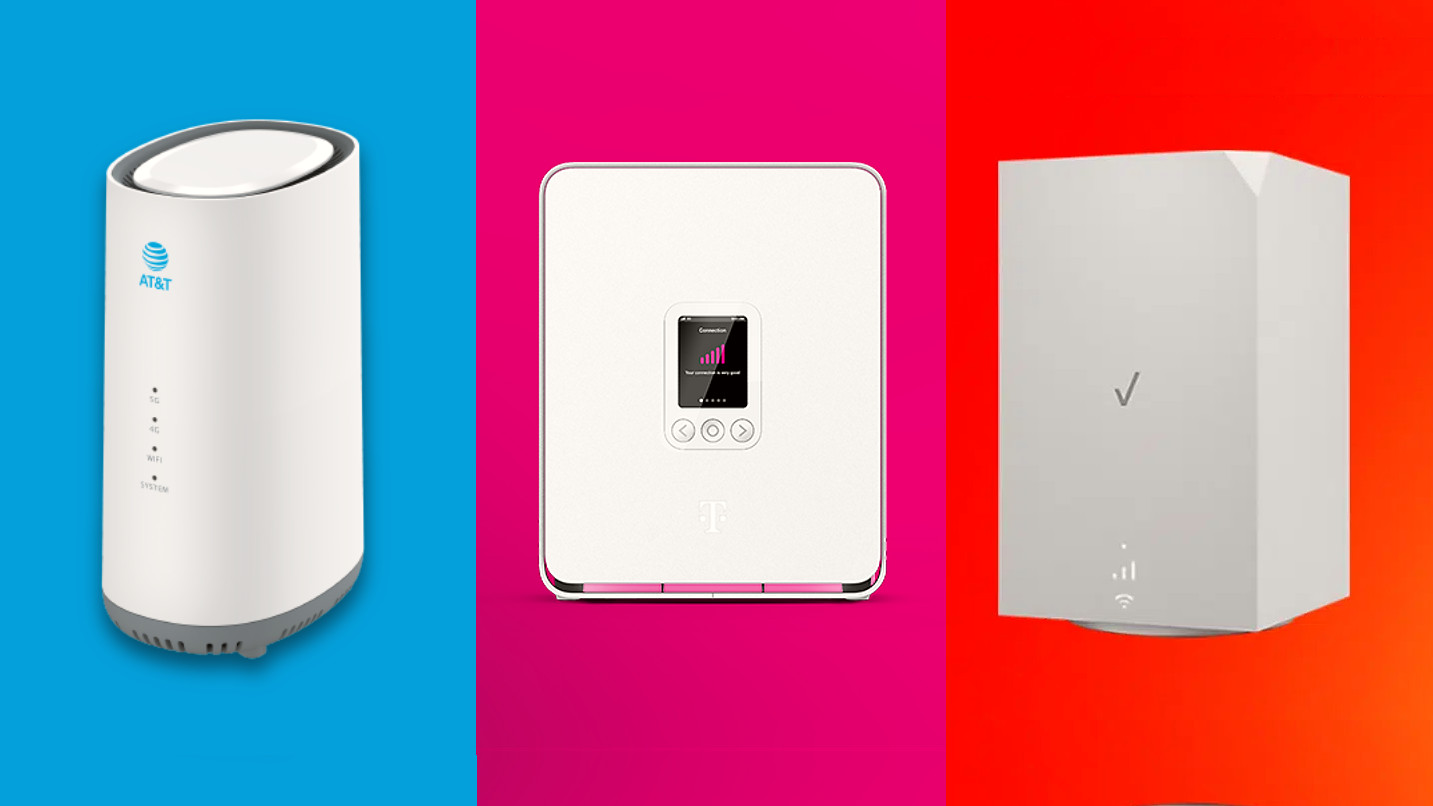
The national carriers – T-Mobile, Verizon, and AT&T – are primarily responsible for this. T-Mobile had over nine million fixed wireless subscribers and is expected to have 12 million by the end of 2028. Verizon had 5.7 million subscribers as 2025 ended, and AT&T had 2.3 million fixed wireless subscribers at the end of last quarter.
Carrier brands
T-Mobile Home Internet has been highly successful, adding over 400,000 subscribers during most recent quarters. This service is sold via T-Mobile stores, but it is also sold to prepaid customers via thousands of Metro by T-Mobile stores. This T-Mobile brand has added internet customers at an average clip of well more than 30,000 subscribers per quarter. Mint Mobile launched Minternet home internet last October and, in April, Mint Mobile launched a bundle of voice and internet, with pricing starting at $45 per month for both with payment of a year in advance.
Verizon added nearly 1.2 million fixed wireless subscribers in 2025, but it has also launched four fixed wireless services related to its Verizon Value brands. Total Wireless recently announced that it has more than 2,000 stores and Wave7 Research is seeing displays for the internet at all the Total Wireless stores it checked, pitching a $35 per-month price point when bundled with a voice plan.
Tracfone during February and March had over 500 airings of its Not Complicated TV ad, pitching Tracfone Home internet at $39 per month to AARP members. Straight Talk Home Internet displays are seen at most Walmart stores. Visible Home Internet, powered by Verizon, was announced in April.
And AT&T? AT&T Internet Air launched in late 2023 and it already has 2.3 million subscribers. There is a bundle for over-55s who can get this service and two lines of unlimited voice for $99 per month. This wireless service is also sold at Cricket Wireless stores.
AT&T is the top telco and has plans to pass 50 million locations with fiber by the end of 2029. It has a strategy of selling fiber whenever it can and fixed wireless whenever it must. This is not new, but one new development is sales of AT&T Fiber via Cricket Wireless in some areas. “Cricket customers in select areas can now get super-fast, reliable prepaid internet service in their homes with Quantum Fiber from AT&T,” it is now stating online. This is available in Quantum markets, which are mostly in the West, but there is also availability in the Florida markets of Orlando and Fort Myers.
Starlink growing
Starlink in late 2025 stated that it had over nine million global subscribers, having added over 4.6 million subscribers in 2025 alone. Wave7 Research believes that Starlink likely has at least three million subscribers in the U.S., making it a significant player in the U.S. broadband market, with the distinction of lacking geography as a hindrance to growth.
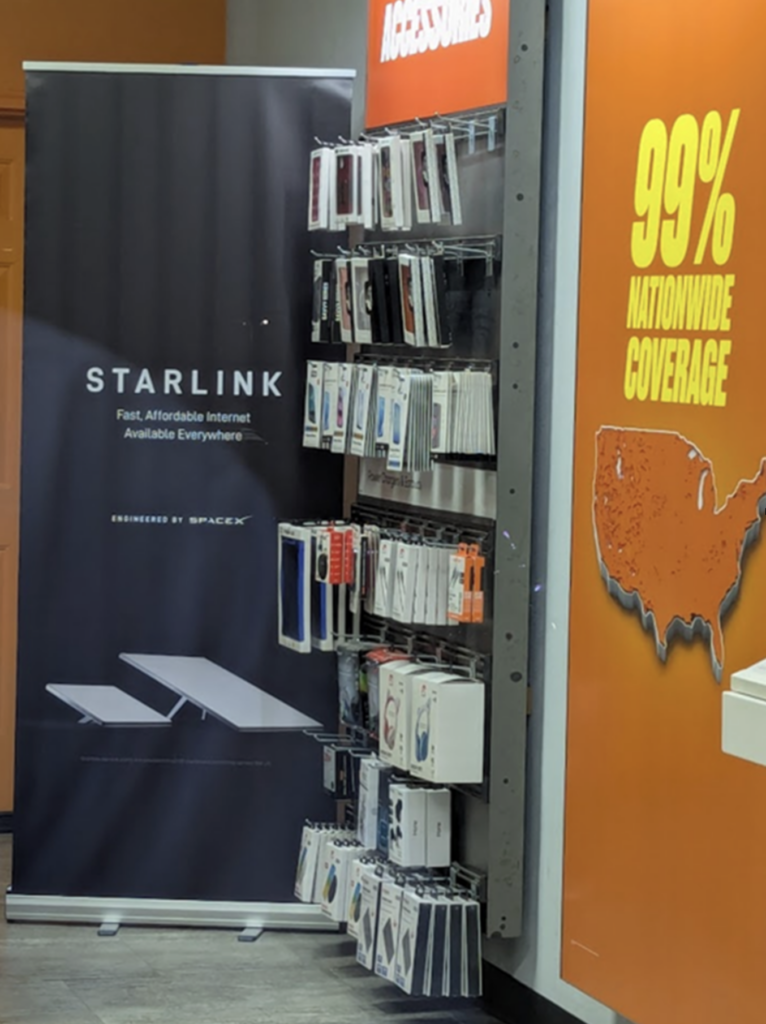
Starlink is now sold via 16 U.S. retailers. During store checks, Wave7 Research is seeing a Starlink endcap display at all Best Buy stores checked and Starlink displays have also been seen recently at locations of Sam’s Club, Walmart, and Home Depot. Wave7 Research has also broken the story that over 430 Boost Mobile stores now have Starlink displays.
Rural WISPs
“There are around 2,000 U.S. wireless internet service providers (WISPs) and about nine million Americans get their internet service from these companies, according to the Wireless ISP Association (WISPA),” Ookla reported in November. These WISPs serve millions of subscribers – disproportionately in rural areas – and the Ookla report showed that their speeds are increasing.
In May, Matt Larsen, CEO of Vistabeam Internet, a Nebraska-based WISP that operates in several states, posted to LinkedIn about “near gigabit speeds 11 miles from the tower on shared spectrum”, crediting technology innovations from Tarana in part for the achievement. America’s WISPs have two major conferences per year to plan out such innovations.
I attended the ISPAmerica 2026 conference, which was held in Atlanta in March. There were 700-800 attendees and an active show floor with close to 100 vendors. I took part in a panel about “Building a Brand Customers Trust and Believe In”, as seen in this March LinkedIn post. WISPA’s top annual event – WISPAPALOOZA – is slated for Las Vegas in November in Las Vegas, with over 2,000 attendees expected.
Broadband MVNOs
All three national carriers have wholesale offerings that allow for a robust ecosystem of MVNOs. In general, carriers leverage their huge fixed network assets for additional revenues while avoiding all the costs of customer care and acquisition. The cablecos take advantage of this as do successful mobile MVNOs, such as Consumer Cellular, H2O Wireless, RedPocket Mobile, MobileX, and many others.
However, no such ecosystem has yet developed for broadband. Possibly, one barrier has been the disproportionate amount of traffic carried for the internet as opposed to mobile usage, as MoffettNathanson Research reported last fall. A Telecompetitor report about this is here.
For now, broadband customers generally have to turn to network operators for service. Unlike the duopoly in place until recently, customers have multiple technology options. Most customers have at least a choice of cable broadband or telco fiber. Nearly all have Starlink as an option. Most are within reach of a WISP. Fixed wireless service from T-Mobile, Verizon, and/or AT&T and their various brands is an option at many or most addresses. In addition, fiber overbuilders such as GFiber compete in many markets.
Consumer choices
This growth in choices is good for the consumer. Increased competition is leading wireline and wireless carriers to provide better services at more attractive prices to remain competitive. There are more plug-and-play options. Some players, including T-Mobile, are pitching a 15-minute setup process.
The number of stores is proliferating. There are nearly 2,000 cableco stores in the U.S. that have traditionally handled the lion’s share of broadband transactions. Now, there are 33,000 non-cable carrier stores operated by Verizon, AT&T, T-Mobile, and Boost Mobile – postpaid and prepaid – with nearly all selling broadband. WISPs are improving and Starlink is available nationwide. The duopoly is over.
Starlink display at Boost Mobile store in Kansas, as seen on 4/29/26 (image: Wave7 Research)
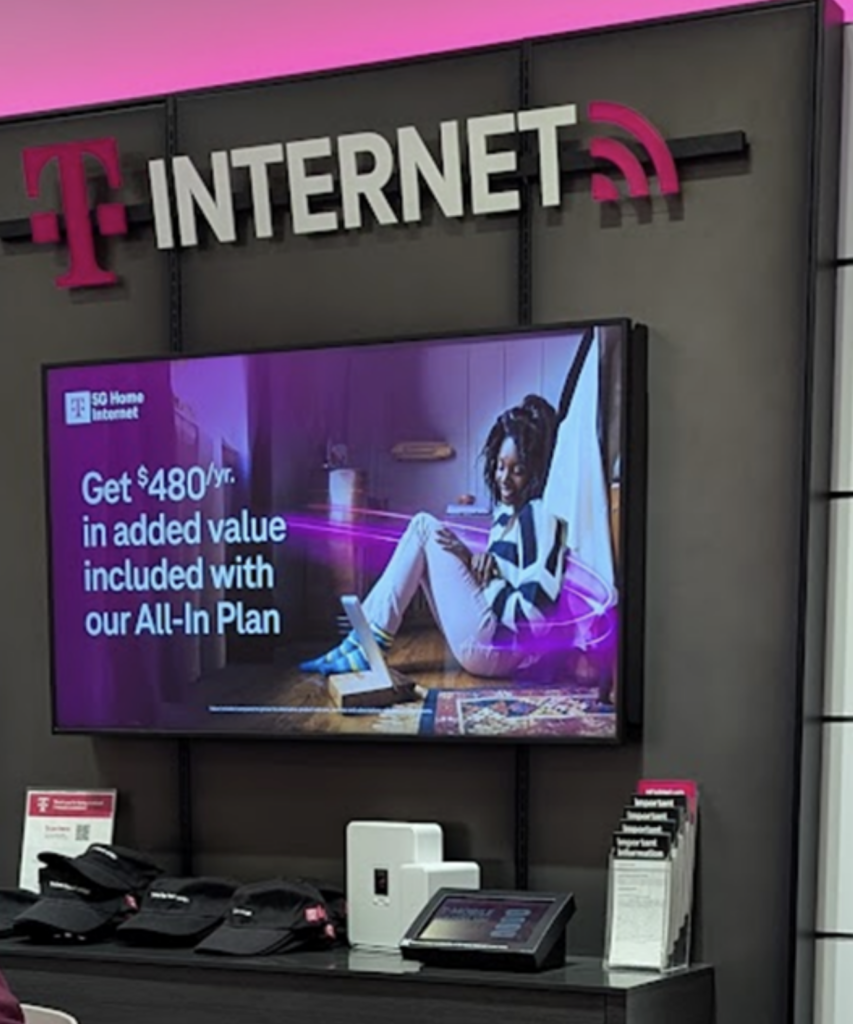
T-Mobile Home internet at T-Mobile store in Missouri, as seen on 3/24/26 (image: Wave7 Research)

