Note, this article is taken from a new report, entitled NB-IoT – what has gone wrong, and when will it go right? The full report is available here. A webinar on the same topic is available here, with panellists from BICS, Sequans, and Nordic Semiconductor.
1 | China Telecom + Shenzhen Water Group, China (water meters, 2017/18)
The classic smart water-meter case study, perhaps; certainly the first, and the model for everything with NB-IoT metering that has gone afterwards. The subtropical city of Shenzhen, home to Huawei, is ranked among the most water-scarce cities in China, and was (some time ago) on course for a water deficit of 694 million cubic metres per year, according to government projections. Shenzhen Water Group worked with China Telecom and Huawei, invariably, on an NB-IoT connected water network to better plan, distribute, and manage the use of water resources.
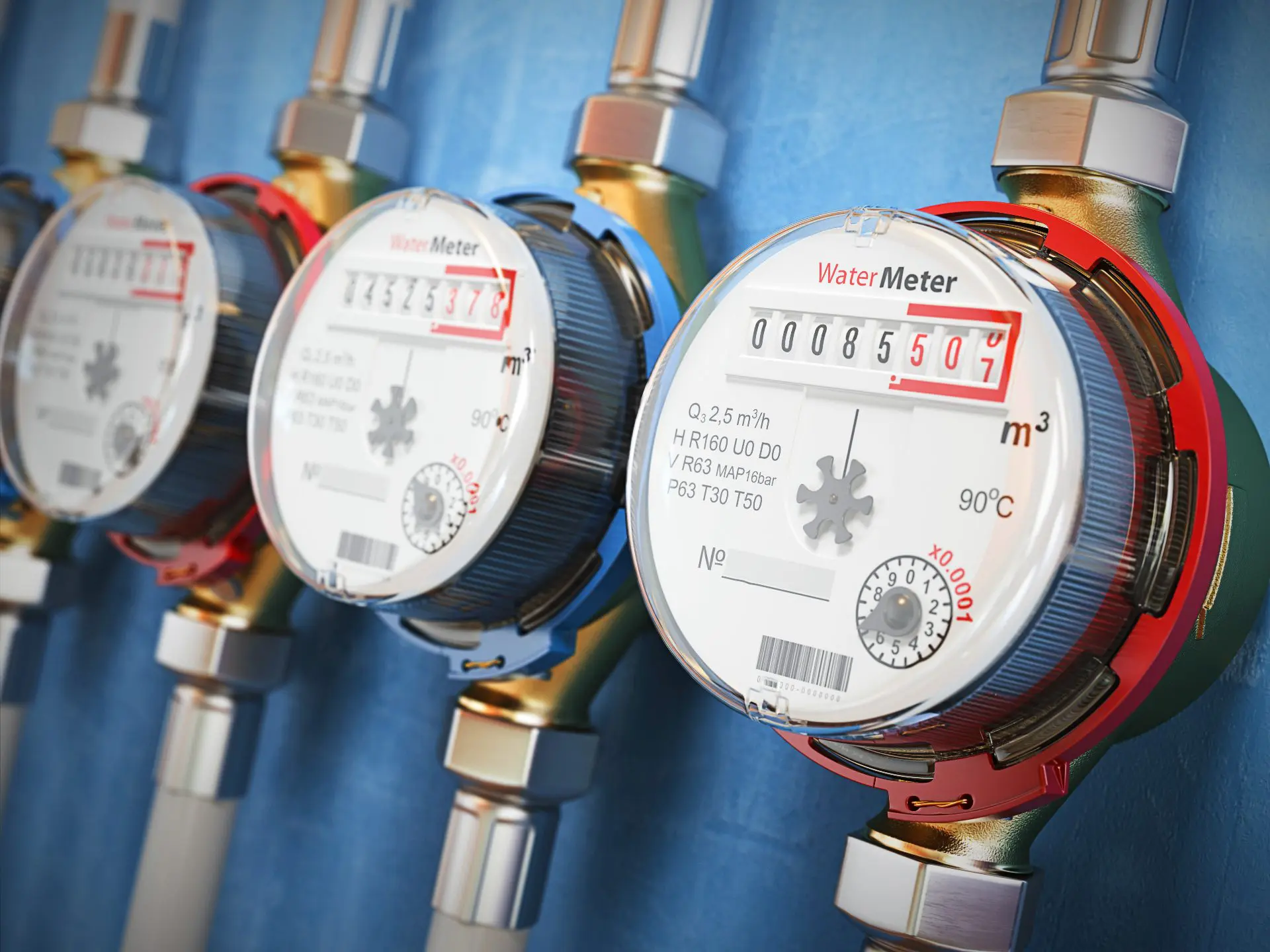 The initial scope of the project was to collect data from 1,200 NB-IoT water meters and monitor pipe networks and water quality control to 4,500 people. As with all old-world utility networks, staff had been sent previously to households to measure, assess, and resolve issues. As with every analogue industry, the task was labour intensive, inefficient, and costly. China Telecom’s NB-IoT network, in the 800 MHz band, provided the broad coverage and deep penetration, initially from around 500 compatible base stations, to cover Shenzhen Water Group’s service area.
The management platform, running in China Telecom’s cloud, provides alerts on “data pressure” (water pressure?) at different nodes; comparing readouts allows the utility to find leaks and take action, the story goes. NB-IoT recorded higher data accuracy and wider coverage (20dB gain over existing tech) for underground meters. The project “set the pace for full utilization of NB-IoT in China’s water industry,” said a GSMA writeup, from 2018, written about a deployment from 2017. It also proclaimed it would help develop “new benchmarks, applications, and business models” for the wider IoT market. All told, it probably has.
2 | Deutsche Telekom + City of Hamburg (parking sensors, 2017/18)
It is hardly massive IoT, but Deutsche Telekom’s deployment of IoT sensors in a Hamburg car park was one of the earliest NB-IoT cases in Europe, from back when the whole ‘smart city’ concept was still a going concern – before its constituent parts gained enough critical mass to lose its smart-city moorings and go under its own steam. Smart parking? It probably does better as a private sector play, as part of the ‘smart buildings’ movement – or just as a new facet of ‘commercial real estate’, as it was.
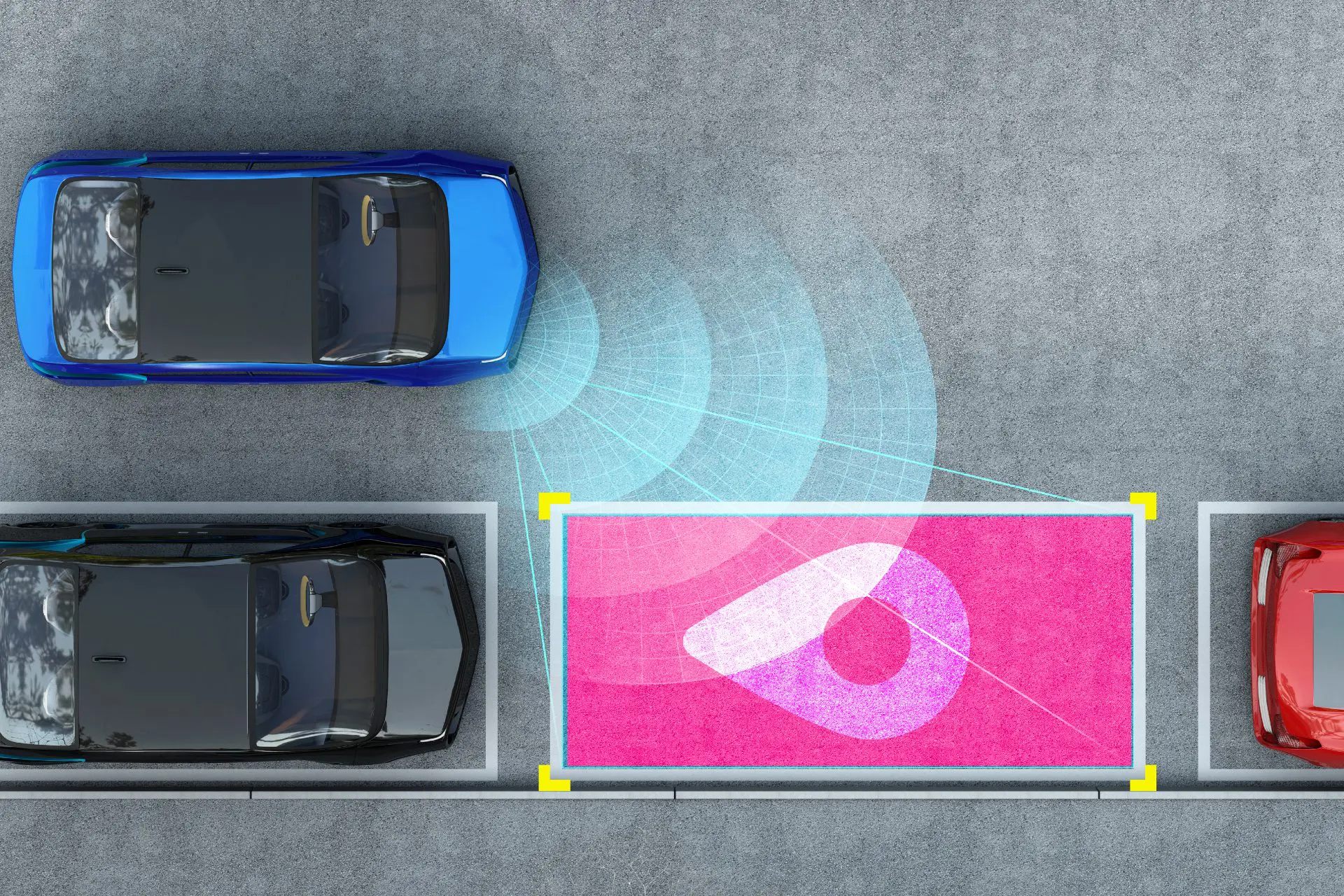 Still, Deutsche Telekom signed with the city of Hamburg in 2018, in a proper ‘smart-city’ type of deal, to install NB-IoT sensors in around 11,000 public and private parking spaces, including in underground parking garages. An app provides “real-time” (as always, the definition of ‘real time’ changes with the application, and who you ask about it) data about the availability of spaces. Ostensibly, the project was green-lighted because Hamburg had been appointed to host the ITS World Congress in 2021 – this year.
In the end, Covid-19 appears to have abated enough that the 2021 event will go ahead as an in-person meetup, and car spaces will presumably be scarce. So maybe Deutsche Telekom’s NB-IoT network in Hamburg will get a proper workout. Even so, Deutsche Telekom has had a hand in similar NB-IoT-connected parking solutions in other cities in Germany, as well. City governments in Bonn (actually in 2017, predating the Hamburg deal by some months), Dortmund, Moers, Duisburg, and Darmstadt have also signed with Deutsche Telekom to introduce smart parking.
By the end of 2019, a large proportion of Bonn’s city parking spaces were connected to NB-IoT. There has been less written about the others. But the message is that smart parking in Germany is contributing some decent connection numbers, probably, and that ‘smart cities’ are a thing, actually.
3 | Telia + Nortrace, Norway (livestock trackers, 2017)
Another entry that features more because of the ground it broke than the sensors it connected (see also Deutsche Telekom’s smart parking in Hamburg, above, and Vodafone’s iSIM-demonstrator deal with Bayer, below). But this one is fun, even if just for the photography you can stick in a news article, and falls into an important, albeit sometimes overlooked, sector for IoT tracking and monitoring: smart agriculture.
 In this case, Telia Norway worked with local start-up Nortrace to connect 1,000 sheep to its NB-IoT network somewhere outside of Stavanger, some time back in 2017, in order to track them on summer pasture. It had already launched an NB-IoT based smart farming service, in collaboration with Norwegian IoT outfit 7Sense, at the tail end of 2016 to provide farmers with a system for monitoring irrigation in their fields – basically a sensor unit to go into sprinkler systems to monitor for falling water pressure.
But tracking was new, compared with static monitoring of rather binary events (see above) – and sheep are fluffy. The Telia / Nortrace tracker, with the name Shiip (its componentry, in the end, is applicable to tracking ships, as to sheep, and as to everything between), took the form of a collar with an NB-IoT radio and a GPS unit, plus some other sensors, which bounced a signal off a single NB-IoT base station somewhere in the Rogaland countryside in Western Norway, and back to the cloud and down the other side, to a smartphone app.
This way, the farmer gained access to data about the position and well-being of the members of the flock. It was only a pilot, later released as a commercial product by Norsk Landbruks Elektronikk with the name Gjeteren (‘shepherd’ / ‘goatherd’) – and with a whopping 14-year battery life, apparently. But it was a significant proof for cellular LPWA networks, and for the potential of smart farming applications. Because farming is hard, of course; Norway has only two-to-three agricultural labourers for each farm (46,620 farms, 125,270 workers) so help is urgent.
And many others have followed in Telia’s steps. Telstra is talking about NB-IoT as a key driver for digital transformation in the agriculture sector in Australia. “This is a network that makes the future possible for regional and rural Australia,” it says of NB-IoT. Cisco is presenting NB-IoT as part of a curious ‘5G’ tech mashup, also including LoRaWAN and Wi-Fi, to track 2,000 cows in Somerset in the UK as part of the government-sponsored 5G RuralFirst scheme. “We are connecting with LoRa, NB-IoT, and new radio frequency systems as part of 5G,” it said.
Logic says Vodafone is handling the NB-IoT leg on the grounds it is doing the same for coastal monitoring in a separate trial under the same 5G RuralFirst scheme (see note at the bottom of the Vodafone / Bayer entry, below). Meanwhile, Telia has gone on to more massive IoT-things, including at least 100,000 connected garbage bins via a contract with waste disposal container tracking company StalkIT in Norway, and two million-odd electric meters with the main power utilities in Sweden (see below).
4 | China Mobile + Zhengzhou Public Security Bureau, China (electric bikes 2018/19)
Not the first NB-IoT use case that comes to mind, perhaps, and not the one (water meters) that has made all the running in China, but a good one nonetheless, which also shows how NB-IoT is breaking new ground for the cellular industry. It is a GSMA award winner, too, winning the ‘best smart cities innovation in Asia’ award at MWC Asia back in 2019. We don’t like writing about industry awards much, but this one stands out among the mobile industry’s back slapping and self-congratulations.
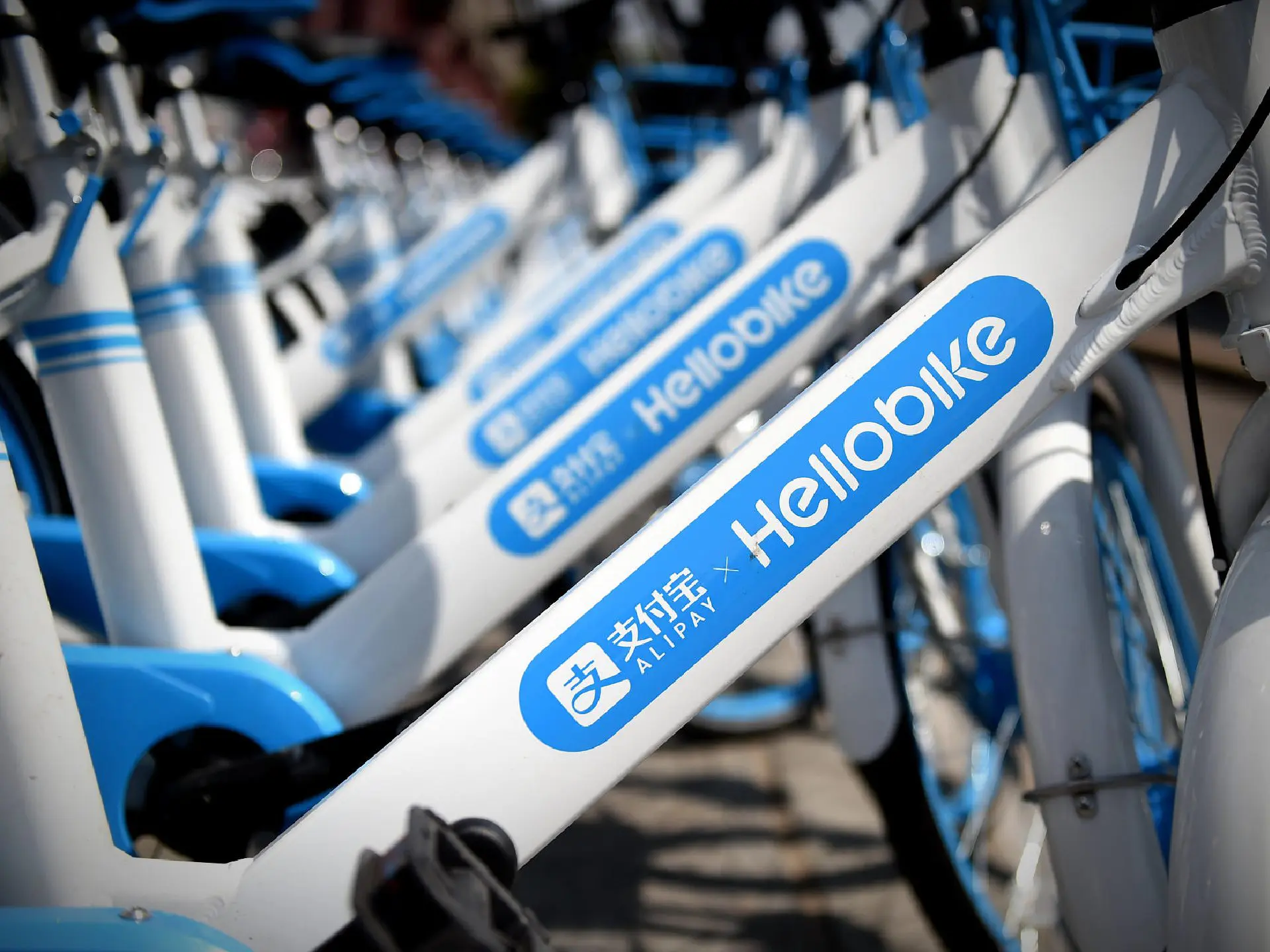 The Zhengzhou Public Security Bureau appointed China Mobile and Huawei to develop a management system for electric bikes. The country has a lot of them; it is the world’s premier producer and seller of battery powered bikes. And lots of bikes means lots of traffic problems. GSMA-quoted stats claim 70 percent of thefts, 30 percent of traffic accidents, and nine percent of fires in 2017 were caused by electric bikes in Zhengzhou, the capital of east-central China’s Henan province.
The solution from China Mobile and Huawei equips existing electric bikes with NB-IoT modules, also packing in GPS / BeiDou positioning, which offer anti-theft tracking, fire warning, power alarms, and traffic violation prevention. At the time the MWC award was handed out, the city had deployed the units in about three million electric bikes. “NB-IoT electric bikes have become the largest-scale NB-IoT application for a single service in the world and the success of this service created a blueprint for other transportation applications,” says GSMA Intelligence.
It adds: “For operators, the system can reuse LTE resources to reduce deployment costs, while developing a large number of IoT users, and creating new revenue-generating services in partnership with transportation departments and insurance companies. For city authorities, the system provides a crucial tool to track and defeat theft, reduce the fire hazards, achieve traffic monitoring, and improve urban traffic capacity. For [bikers], it provides positioning services that increase the efficiency of riding, safety through fire warnings, and security through anti-theft capabilities.”
5 | Vodafone + SES Water, UK (water meters, 2020/21)
Water metering is the archetypal NB-IoT application, behind a number of deployments in China. In Europe, Vodafone has signed a 10-year water metering deal with UK-based SES Water to install NB-IoT sensors into a smart water distribution network with a view to cut leakage by 15 percent over five years and by more than half by 2045. The project covers parts of Surrey, Kent, West Sussex, and London. No figures have been given for the number of meters to be connected to NB-IoT, but SES Water manages water supply to around 300,000 homes.
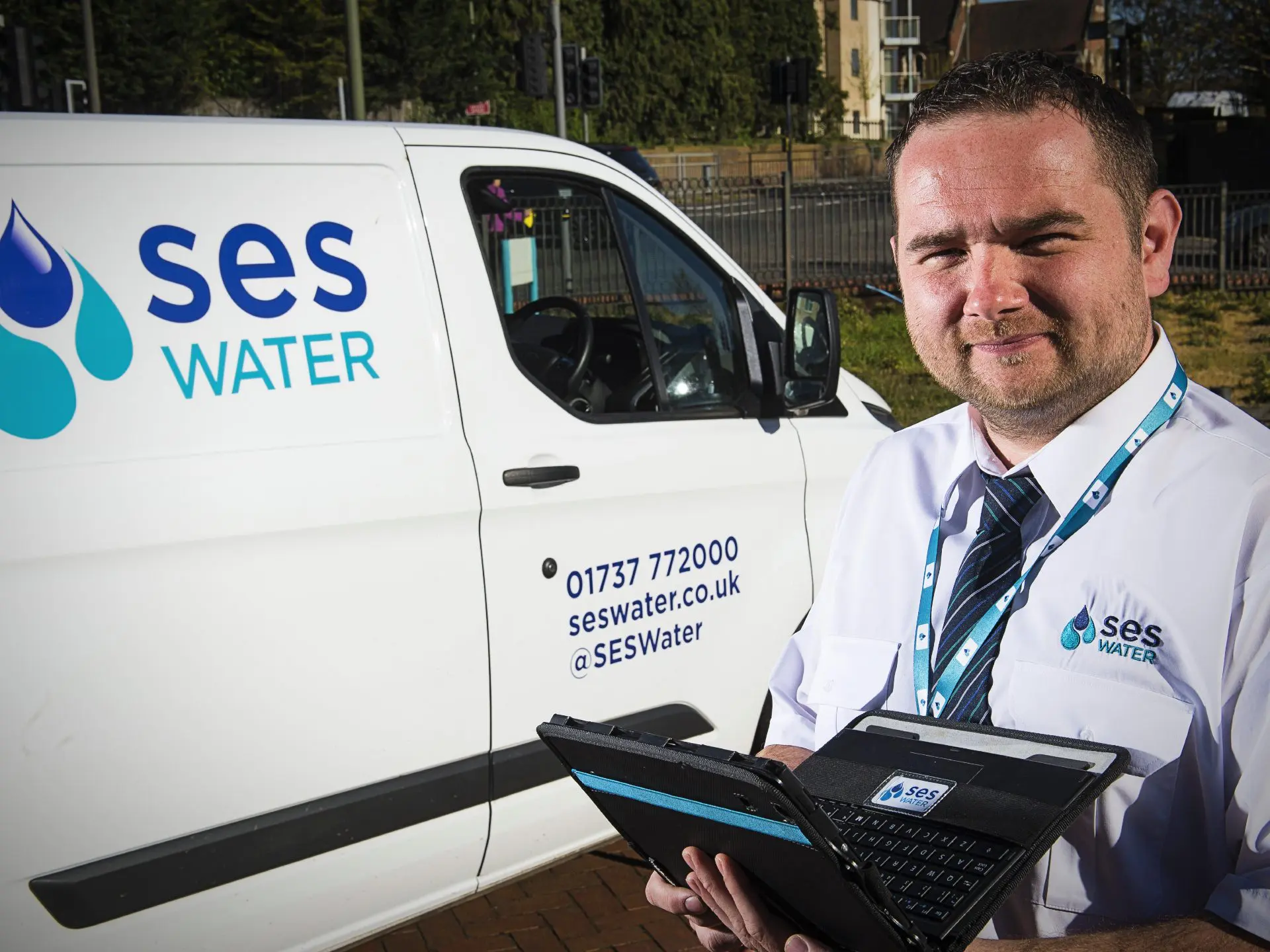 Vodafone and SES Water are in the process of installing digital meters, sensors, and acoustic loggers on underground mains water pipes, to connect over Vodafone’s NB-IoT network. The acoustic loggers ‘listen’ for escaping water in the distribution network to determine when and where leaks occur. Data is collected and transmitted across the system; SES Water is alerted in the event of any leaks, low pressure, or other network abnormalities.
Meters readings provide insight into customer demand patterns, also, enabling SES Water to help customers to better manage their own water usage, reduce bills, and troubleshoot leaks before they cause damage. Vodafone is working in the same way with South East Water and United Utilities in the UK to detect leaks in underground pipes and other infrastructure. It is estimated three billion litres of water is lost to leaks everyday in the UK, equivalent to 1,268 Olympic swimming pools, the company said.
This article is continued here.
Note, this article is taken from a new report, entitled NB-IoT – what has gone wrong, and when will it go right? The full report is available here – or click on image below. A webinar on the same topic is available here, with panellists from BICS, Sequans, and Nordic Semiconductor.